
In 2023, I posted about a then recent addition to the Colorado Historic Newspapers Collection (CHNC) – the Camp and Plant. The Camp and Plant, published weekly, by the Sociological Department of the Colorado Fuel and Iron Company (CF&I), was “devoted to the news of the Mines and Mills.” We recently added two more Sociological Department publications; the Annual Report of the Sociological Dept. of the CF&I Company, January 1, 1901 – January 1, 1908 (8 issues), and The Report of the Medical and Sociological Dept. of the CF&I Company, January 1, 1909 – January 1, 1915 (5 issues). These publications along with other CHNC titles, the Bessemer Indicator (later named The Indicator), give valuable insight into the inner workings of the CF&I company and the lives of its employees and their families. Founded in 1880, Bessemer, Colorado was the company town of the Colorado Coal and Iron Company, later named CF&I.

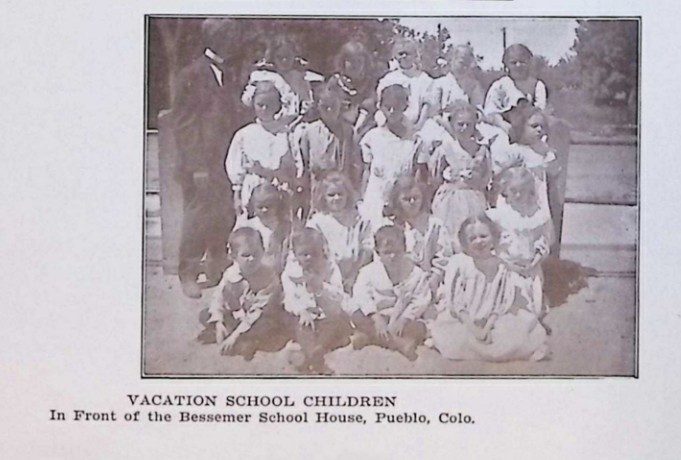
The CF&I was an American steel conglomerate that began in 1880 as the Colorado Coal and Iron Company (CC&I). In 1892, CC&I merged with its main rival, the Colorado Fuel Company, forming the CF&I. Controlled by John Osgood until 1903, CF&I was based in Denver and Pueblo, with most of its coal mines in southern Colorado and its only steel mill in Pueblo.
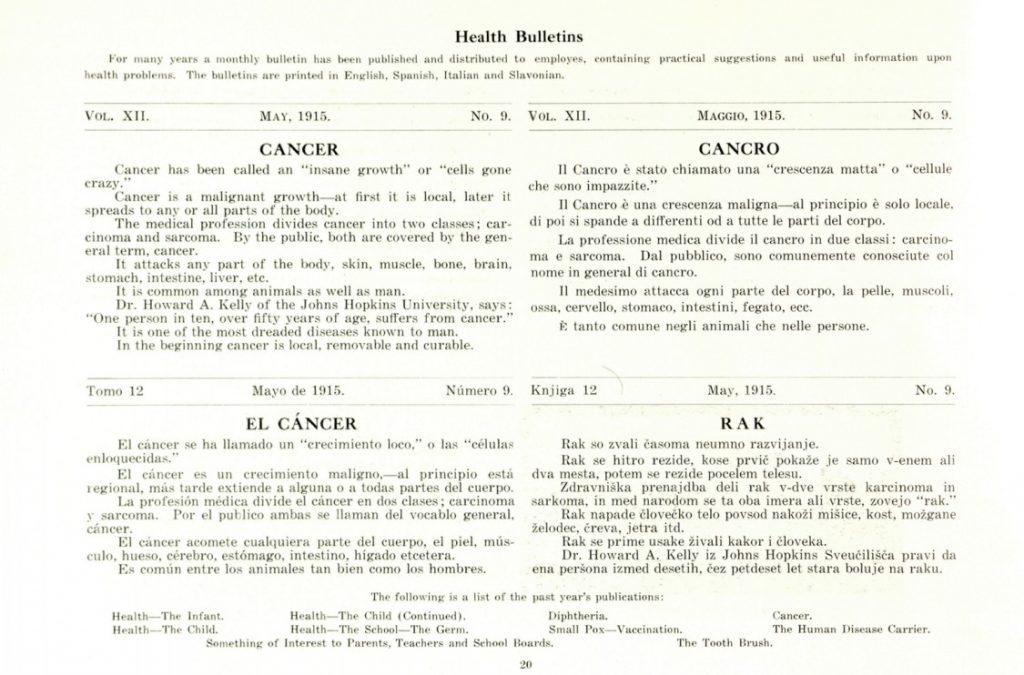
CF&I was a pioneer in welfare capitalism, a strategy to improve employee morale and loyalty through company-provided support. In practice, it was also meant to control and Americanize the workforce. In 1901, Osgood organized the “Sociological Department,” headed by Dr. R.W. Corwin. This department oversaw management-sponsored programs such as schools, beautification efforts for mining towns, clubhouses, a company hospital, and new housing. The department’s publications – the Camp and Plant and Reports – highlighted these activities, contributing to the spread of welfare capitalism.
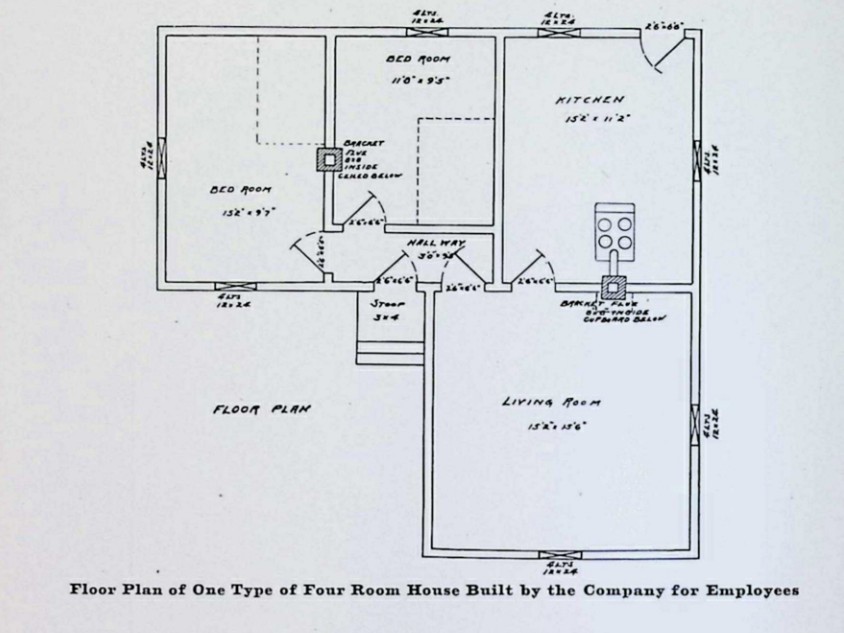
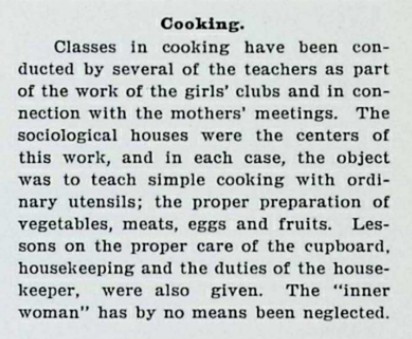
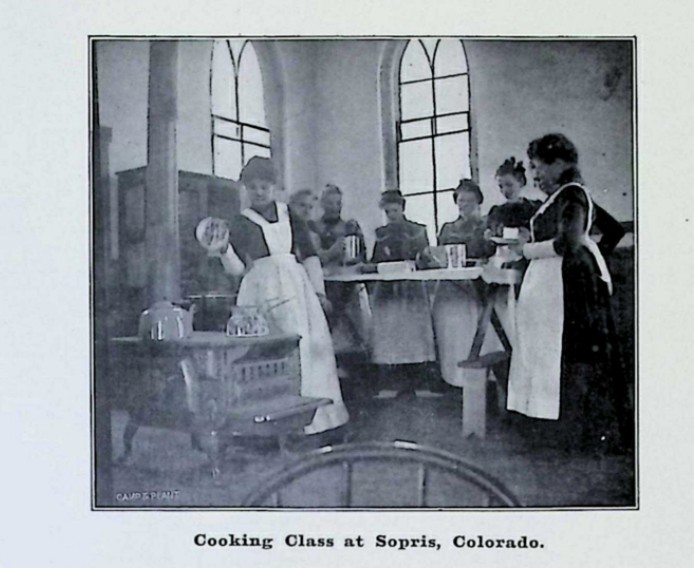
An expensive modernization campaign drained CF&I’s financial resources, leading to Osgood losing control to Rockefeller/Gould interests in 1903 and cuts to the Sociological Department. This department was further scaled back during the 1908 recession, ultimately becoming largely defunct by 1910 though the publication remained through 1914.
CF&I, employing approximately 15,000 people by 1910 and the largest industrial corporation in Colorado during the 1920s, became the main opponent of the United Mine Workers of America (UMWA). The Rockefellers, who gained controlling interest due to CF&I’s financial struggles and maintained it until the 1940s, strongly opposed unionization. John D. Rockefeller, Jr. publicly stated that keeping unions out of CF&I was worth any cost, even “if it costs all your property and kills all your employees.” This stance directly contributed to the infamous Ludlow Massacre during the bloody 1913–14 strike, which resulted in at least nineteen deaths, including women and children.
Further Reading:
Making Americans, by Michala Whitmore
Colorado Fuel & Iron, Colorado Encyclopedia
Colorado Fuel and Iron: Culture and Industry in Southern Colorado by Christopher J. Schreck

- The Plains to Peaks Collective Launches a New Discovery Platform - July 1, 2026
- The United Farm Workers in Colorado: Huelga! - May 4, 2026
- Life in Camp: Colorado Civilian Conservation Corps Camp Newspapers - April 17, 2026