
Colorado’s growth was built on the backs of migrant workers, evolving from 19th-century rail and mine labor to 20th-century farming. While Chinese and European immigrants were vital early on, the 1900s sugar beet boom sparked a major wave of Hispanic migration that continued through the Bracero Program and into today’s construction, service, and agricultural sectors. The Colorado Historic Newspaper Collection has recently expanded with publications that championed civil rights and fair labor standards for migrant workers in Colorado and beyond. These additions include The Boycotter (Denver), 1975-1976, the Christian Family Movement Committee for Migrant Workers Newsletter (Denver), 1964 and Ahora! (Center), 1970-1976.
The United Farm Workers
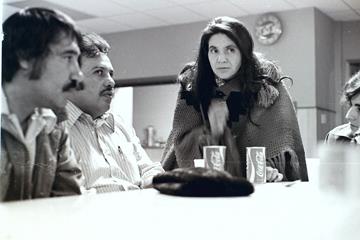
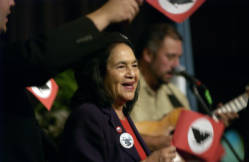
The United Farm Workers (UFW) was established following the founding of the National Farm Workers Association (NFWA) in Delano, California, in 1962 by Dolores Huerta and other Chicano activists. These leaders defended farmworker rights against dire conditions, including meager wages, sexual harassment, exposure to deadly chemicals, and inadequate food and shelter. To achieve their goals, they employed nonviolent organizing tactics, such as marches, national consumer boycotts, and fasts, rooted in Catholic social teaching and civil rights rhetoric.
Historically, the relationship between migrant farmworker organizations and faith-based organizations (FBOs) is characterized by a transition from paternalistic direct aid to strategic political advocacy. For over a century, FBOs have served as the “moral backbone” of migrant movements, leveraging religious values like “welcoming the stranger” to justify labor rights as a matter of human dignity.
The modern farmworkers movement was born in 1965 when ethnic Mexican farm workers joined with Filipino American workers to strike grape growers in Delano, California. At this time, the NFWA joined the Agricultural Worker’s Organizing Committee (AWOC), AFL-CIO, to begin a successful five-year grape boycott. Operating initially as two organizations, they combined in 1966 to form the United Farm Workers Organizing Committee (UFWOC), which was renamed the UFW in 1972. That same year, the union spread beyond California as it launched a national grape boycott and inspired farm worker organizing in other states. Through subsequent boycotts (including lettuce and strawberries) and strikes, the UFW secured labor contracts that provided higher wages and improved working conditions, with Dolores Huerta credited with negotiating thousands of these contracts.
The national movement helped spur critical federal legislation:
- 1963: The Farm Labor Contractor Registration Act required crew leaders to register with the federal government, keep wage records, and fulfill promises regarding pay.
- 1978: The Fair Labor Standards Act extended minimum-wage requirements to farm labor, though some farms were exempt and overtime pay was not required.
- 1983: The Migrant and Seasonal Agricultural Worker Protection Act went into effect, requiring written wage promises, payroll records, itemized statements of earnings, and subjecting migrant housing and transport vehicles to federal and state safety standards.
The United Farm Workers in Colorado: Organizing La Causa
The United Farm Workers (UFW), led in part by Dolores Huerta, expanded its “La Causa” movement into Colorado during the 1960s and 1970s, leading critical strikes in agricultural hubs like the San Luis Valley and collaborating with local Chicano leaders to organize a workforce facing poverty-level wages and unsanitary camp conditions. This effort built upon a long and intense Colorado labor history that included violent conflicts such as the Colorado Labor Wars (1903–1904) and the Ludlow Massacre (1914), as well as decades of migrant workers receiving some of the nation’s lowest wages for sugar beet labor.
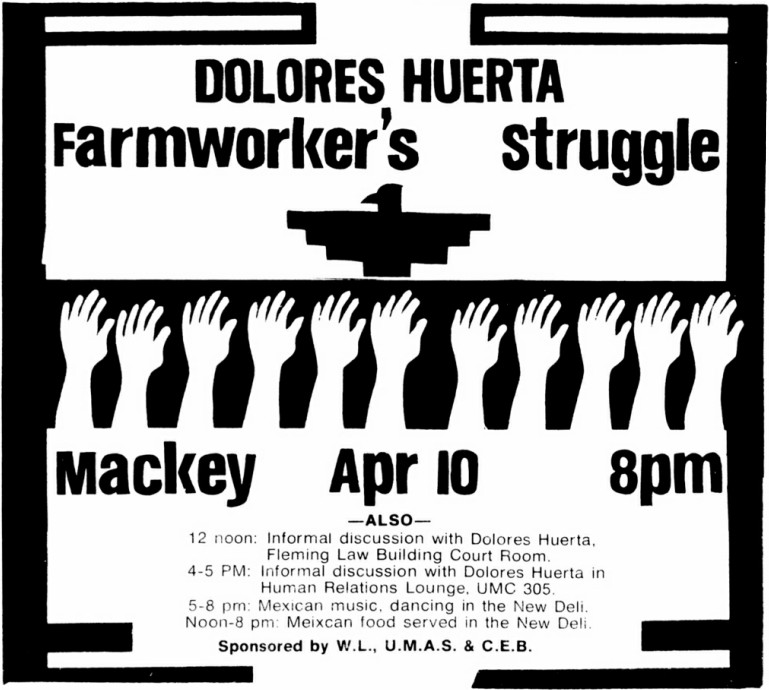
The UFW’s organizing was deeply intertwined with the Chicano civil rights movement. Local leaders, such as Rodolfo “Corky” Gonzales, founder of the Crusade for Justice in Denver, worked alongside UFW to protest discrimination and secure political power for Mexican Americans.
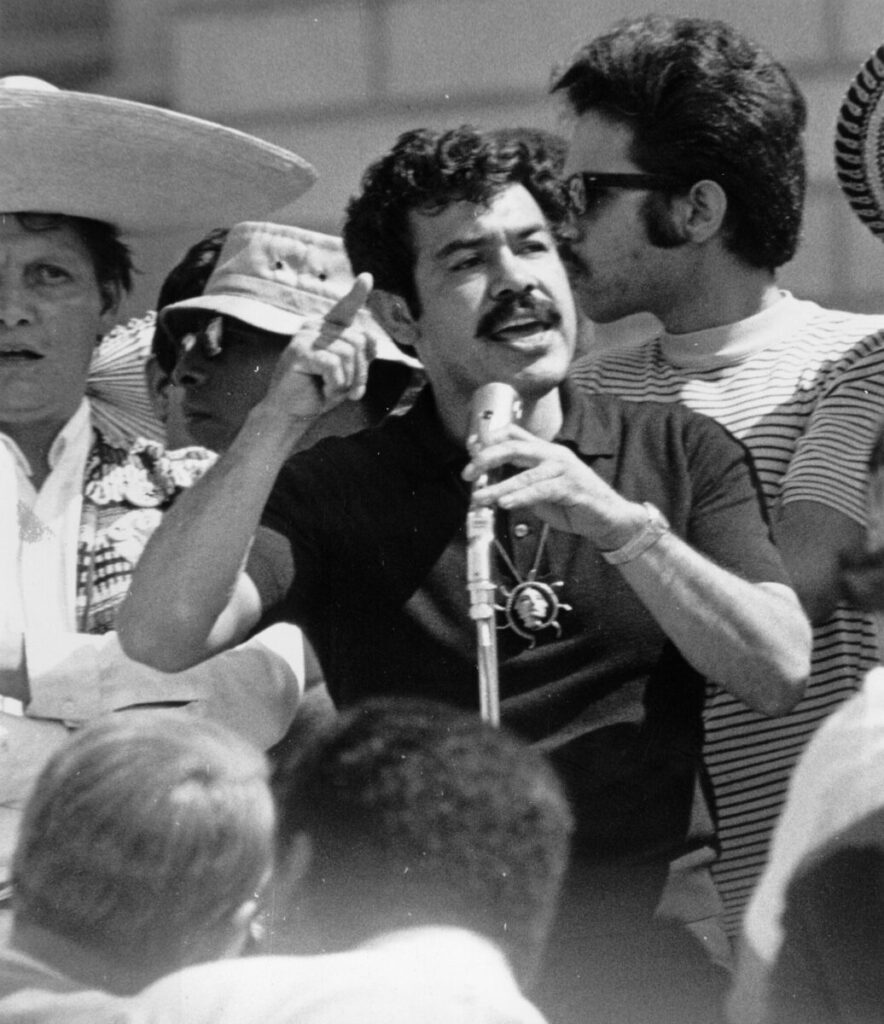
Key UFW-related organizing events in Colorado included:
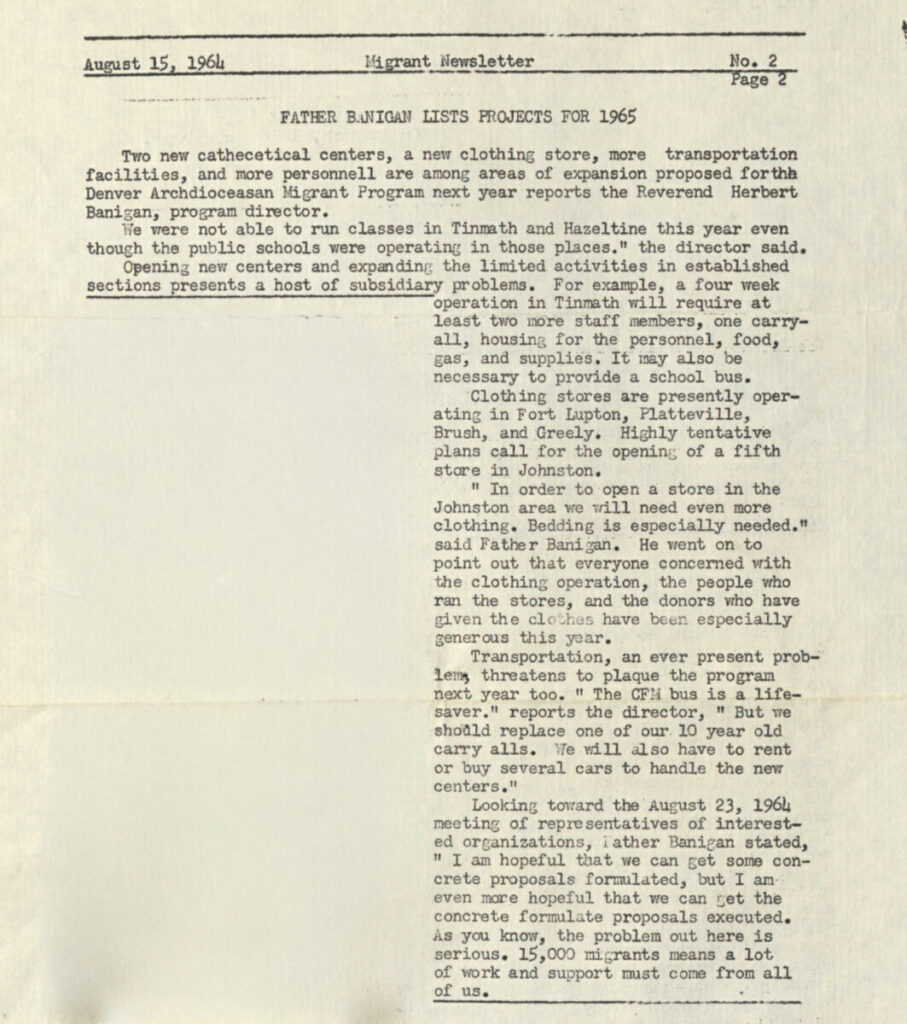
- 1966: Confrontations between police and Mexican-Americans at the Fort Lupton Labor Camp drew statewide attention to poor housing and health conditions for migrant workers. On July 14, union members picketed a market in Denver to support a boycott of DiGiorgio products, followed by a dinner where CFW members spoke.
- 1968–1969 (Brighton): Guadalupe “Lupe” Briseño led an eight-month strike of Kitayama Brothers carnation farm workers, demanding better wages, benefits, and working conditions. This action was backed by the National Floral Workers Organization, a group of Mexican-American women organizing greenhouse workers, which established ties to the UFW. The conflict escalated on March 1, 1969, when police sprayed tear gas on five female pickets who had chained themselves to the farm’s fence.
The San Luis Valley Breakthrough
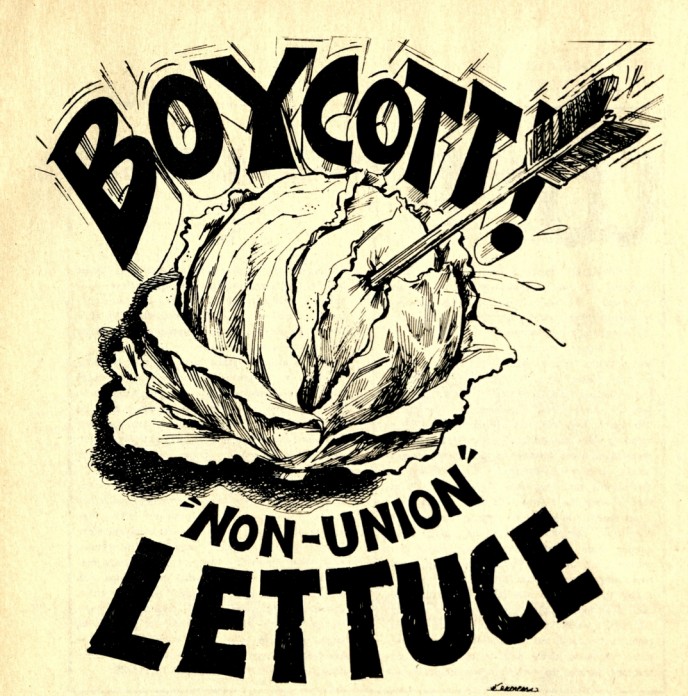
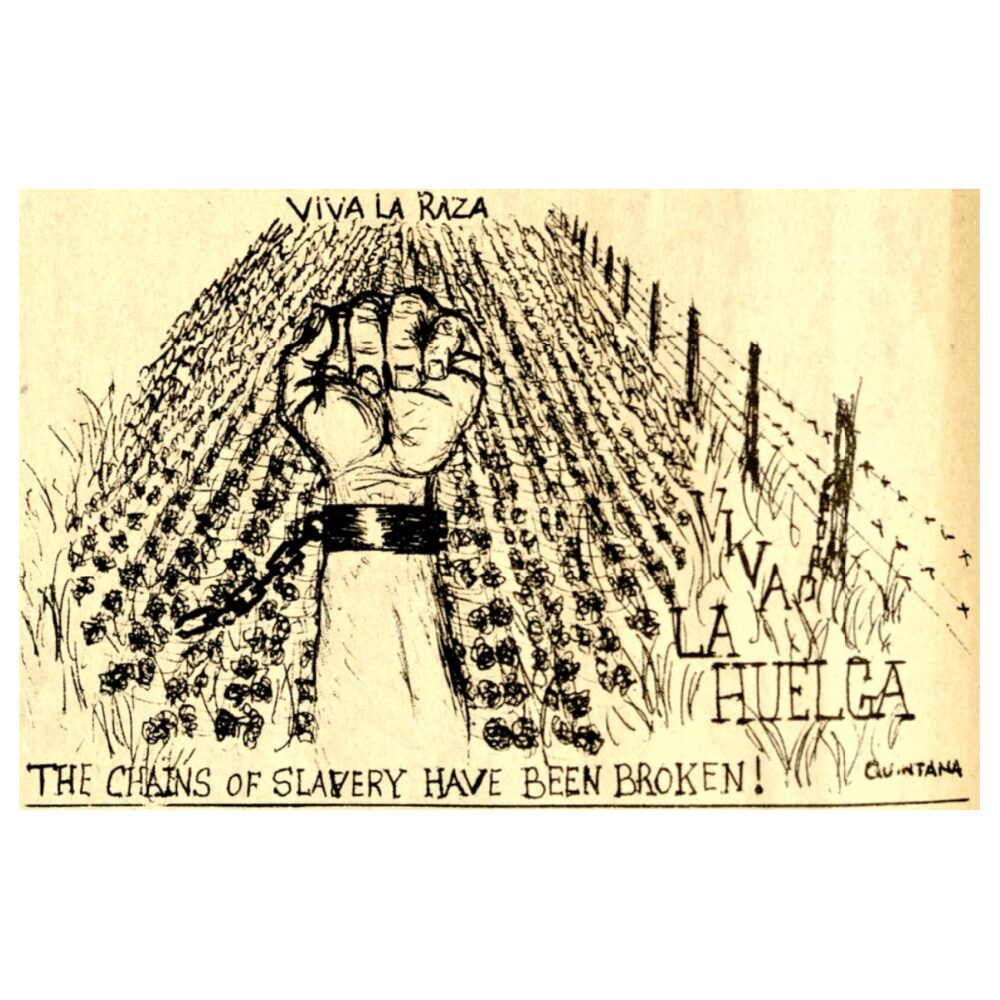
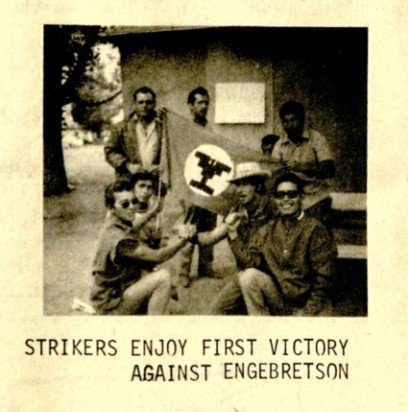
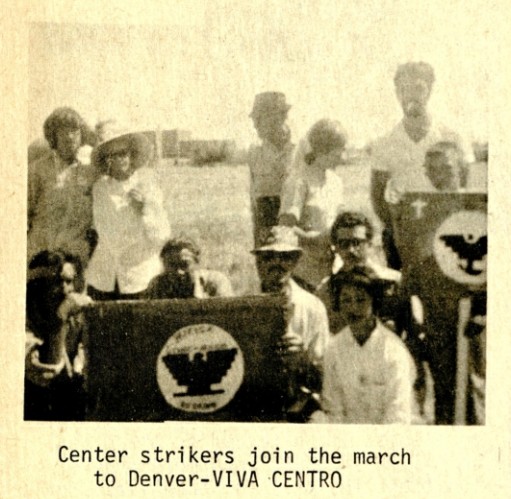
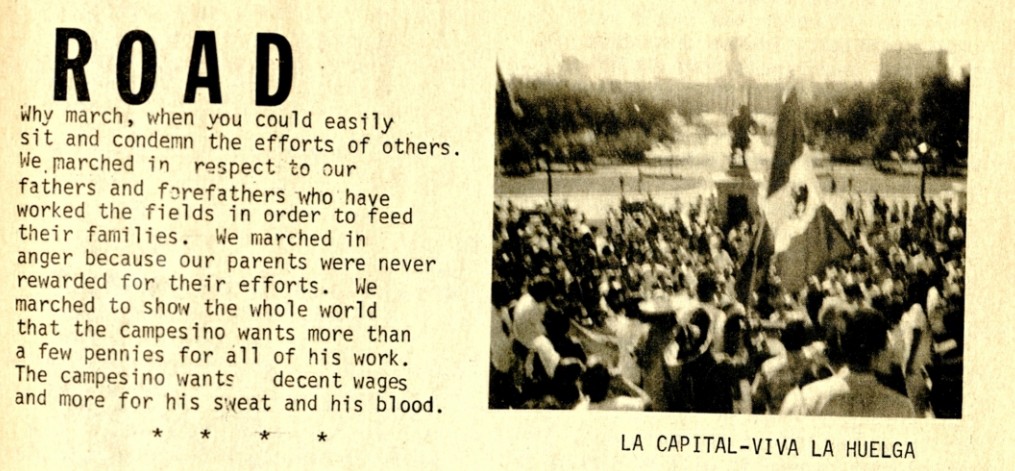
Throughout the 1970s, the UFW organized national grape and lettuce boycotts with active participation in Colorado, where supporters picketed grocery stores in Denver and other cities to pressure growers for union contracts. This struggle received external support, including free TV and radio announcements produced by the American Federation of Television and Radio Artists in support of the UFW in 1974. The UFW’s first major breakthrough in the state was the San Luis Valley lettuce strike in the early 1970s, which was part of the broader national “Salad Bowl” movement. In 1970 the UFW (then UFWOC) staged lettuce strikes and rallies against the Finerman Company in Center, Colorado. On June 2, 1970 the lettuce workers walked off the fields in protest of poor wages and working conditions. By July 31 the striking lettuce workers in Colorado organized into a union affiliated with the UFW. Between August 2nd to August 9th over 60 farm workers, lead by Magdaleno M. Avila, of Center, conducted a 120 mile march from Pueblo to Denver. Farm workers from Pueblo, Fort Lupton, Center, Las Animas, Manassa and other parts of the state joined in solidarity. In 1973, the strike culminated in a historic agreement with the Mel Finerman Company, Inc. for higher wages and better services.
Despite historical labor gains, the struggle for farmworker rights continues in Colorado, as workers face issues such as low wages, underpayment, unsafe conditions, and fear of retaliation. After farm workers were deemed essential during the COVID-19 pandemic yet lacked basic protections, Project Protect Food Systems penned Senate Bill 21-087, the Colorado Agriculture Worker Rights Bill. Signed into law in June 2021, the bill ensures basic protections for farm workers, including minimum wage requirements, meal and rest breaks, overtime pay, the right to collective action, and access to services. Colorado recognizes the vital role of these workers, celebrating Si Se Puede Day in Denver and Farm Workers Day in all Colorado on March 31st.
In closing, I must admit this article was a challenge to write—not for a lack of material, but because of the sheer abundance of it. With so many vital threads to follow and stories that illuminate the UFW’s legacy of migrant advocacy, my greatest difficulty was deciding which ones to leave untold in this post. What I found during my research was this is a story of many, not just one.
The farmworker movement has always been bigger and far more important than any one individual. Cesar’s actions do not diminish the permanent improvements achieved for farmworkers with the help of thousands of people. We must continue to engage and support our community, which needs advocacy and activism now more than ever. Dolores Huerta, March 18, 2026
Statement from the UFW Foundation, March 17, 2026

- The United Farm Workers in Colorado: Huelga! - May 4, 2026
- Life in Camp: Colorado Civilian Conservation Corps Camp Newspapers - April 17, 2026
- Recording: Elephind Webinar – Explore the Future of Newspaper Research - November 20, 2025