
Realism emerged as a literary movement in the mid-19th century, largely in response to the emotional excesses of Romanticism and the sweeping generalizations of earlier idealistic literature. It sought to depict life as it truly was—without embellishment, exaggeration, or idealization. Rooted in the societal transformations brought about by the Industrial Revolution, Realism focused on the everyday experiences of ordinary people, emphasizing character, setting, and social context over plot and fantastical elements.
Realist writers aimed to portray the world accurately and objectively, often turning their attention to the working and middle classes and the challenges of modern life. Their characters were complex, morally ambiguous, and shaped by their environments. Realism also placed great value on ethical dilemmas and internal conflict, rather than romantic heroism or dramatic resolutions.
In France, Gustave Flaubert’s Madame Bovary exemplified the movement through its meticulous attention to psychological detail and critique of bourgeois society. In Russia, authors like Leo Tolstoy and Fyodor Dostoevsky combined realism with deep philosophical inquiry, exploring themes such as faith, suffering, and morality. In America, Realism flourished after the Civil War, with writers like Mark Twain, Henry James, and Edith Wharton exploring the diverse social and regional dynamics of a rapidly changing nation.
Realism changed literature by shifting the focus from the exceptional to the everyday. It created space for more inclusive, honest, and often critical portrayals of life, influencing later movements such as Naturalism and Modernism. Its legacy endures in contemporary literature’s commitment to nuance, authenticity, and the exploration of real human experience.
There are many authors considered part of the Realism movement and we have several of them in the Book Club Resource collection. Check one out for your book club today!
Willa Cather:
Willa Cather (1873-1947) was a celebrated American novelist known for her evocative portrayals of frontier life and the immigrant experience in the American West, particularly on the Great Plains of Nebraska.
Born in Virginia, Cather moved with her family to rural Nebraska at the age of nine. This formative experience deeply influenced her literary imagination, providing the setting and inspiration for many of her most famous works. She attended the University of Nebraska, where she developed a talent for journalism and literary criticism. Her writing often explores themes of identity, belonging, the challenges of adapting to a new land, and the enduring human spirit.
Willa Cather’s work is celebrated for its lyrical prose, meticulous detail, and profound understanding of human emotions and the American landscape, cementing her place as a significant figure in 20th-century American literature.
My Ántonia (1918) / Discussion Questions
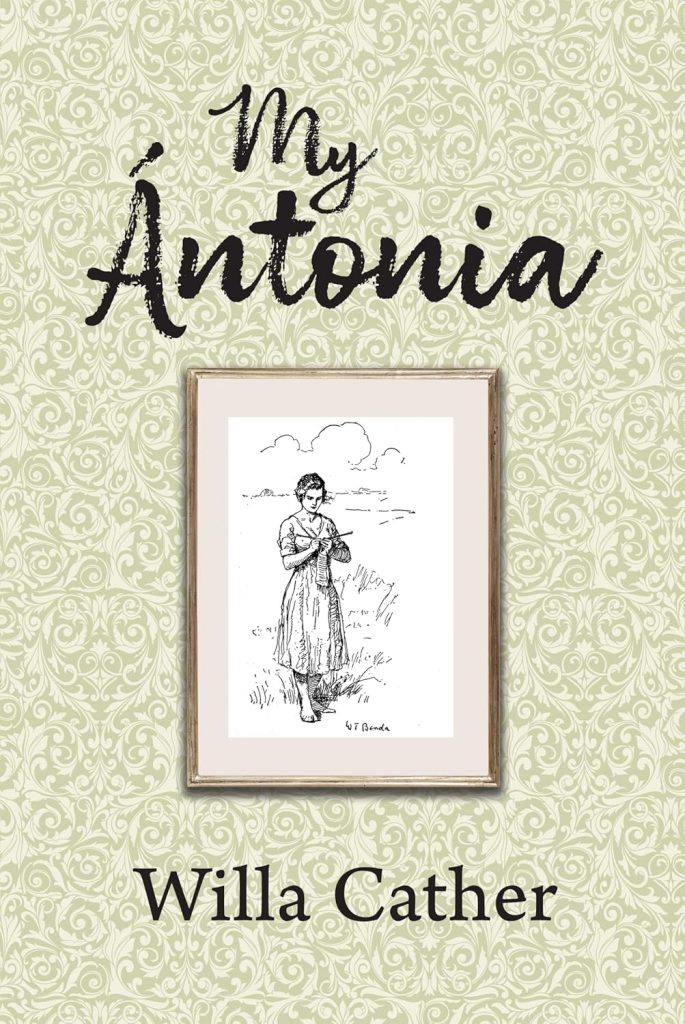
My Ántonia tells the story of Ántonia Shimerda, a Bohemian immigrant girl growing up on the Nebraska prairie, through the eyes of her childhood friend, Jim Burden. Set in the late 19th-century Nebraska prairie, the novel follows Jim as he reflects on his youth and the people who shaped it, especially Ántonia.
The novel celebrates the pioneer spirit and explores themes of memory, friendship, resilience, and the deep connection to place. Willa Cather’s lyrical prose and vivid depiction of prairie life make My Ántonia a timeless classic of American literature.
O Pioneers! (1913) / Discussion Questions
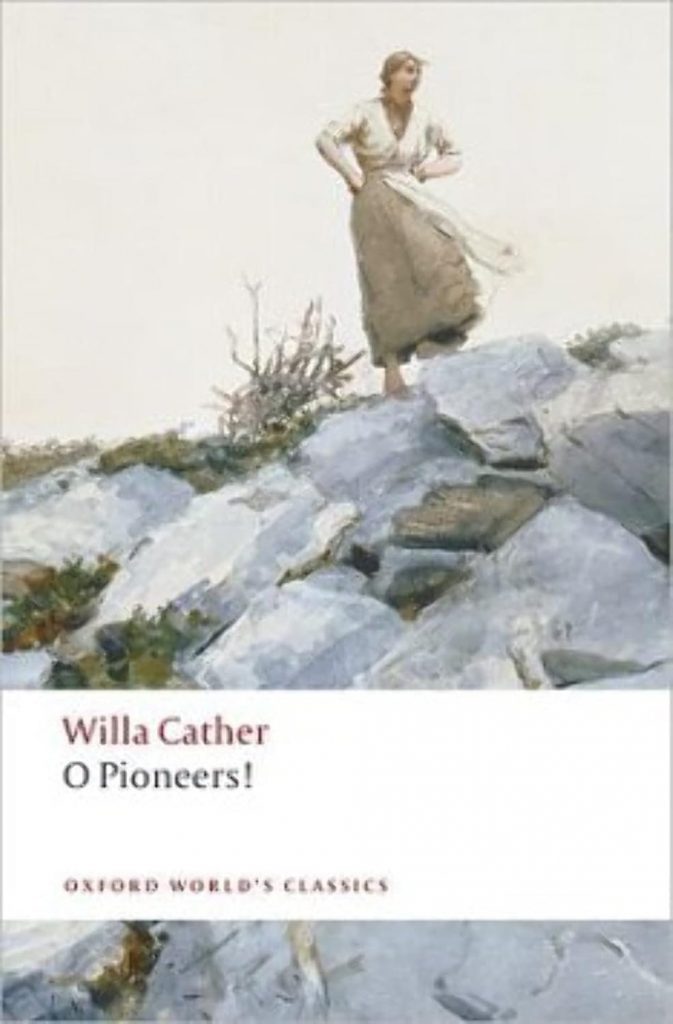
O Pioneers! is a novel set in the late 19th and early 20th centuries on the Nebraska prairie. It follows Alexandra Bergson, a strong and determined Swedish-American woman who inherits her family’s struggling farm after her father’s death. While her brothers are doubtful, Alexandra’s vision, intelligence, and deep connection to the land allow her to transform the farm into a prosperous enterprise.
The novel explores themes of perseverance, the challenges of immigrant life, the power of the natural landscape, and the tension between tradition and change. It also delves into the complexities of love, loyalty, and loss, particularly through the tragic romance between Alexandra’s younger brother Emil and a married neighbor, Marie.
Through Alexandra’s story, Cather paints a moving portrait of pioneer life and celebrates the quiet strength of those who shaped the American frontier.
Kate Chopin:
Kate Chopin (1850-1904) was an American writer recognized for her stories that explore the inner lives of women. Her notable works include the novel The Awakening and short story collections like Bayou Folk (1894) and A Night in Acadie (1897). Some of her important short stories are “Désirée’s Baby” (1893) and “The Story of an Hour” (1894). Through her commitment to depicting life with authenticity and exploring the complex realities of human experience, particularly those of women in a restrictive society, Kate Chopin made significant contributions to the Realism movement in American literature.
The Awakening (1899) / Discussion Questions
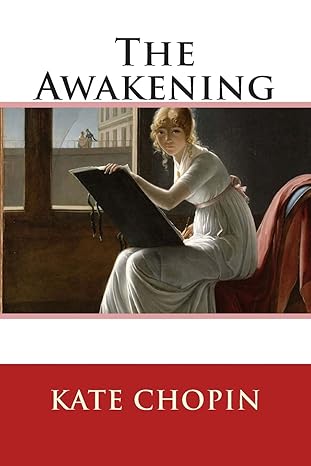
The Awakening follows Edna Pontellier, a wife and mother in 19th-century New Orleans, as she struggles against the expectations of society. During a summer at Grand Isle, she begins to question her role and falls in love with Robert Lebrun. After returning home, Edna seeks independence—pursuing art, moving into her own home, and having an affair. When Robert returns but refuses to be with her outside of marriage, Edna feels trapped. Unable to reconcile her desires with societal norms, she ultimately drowns herself in the sea, seeking escape through death.
The Awakening is a powerful exploration of identity, freedom, and the constraints of gender roles, and is considered an early and important feminist work in American literature.
Stephen Crane:
Stephen Crane (1871-1900) was an American novelist, poet, and short story writer, despite his remarkably short life.1 Born in Newark, New Jersey, he was the youngest of fourteen children. He had brief stints in college before moving to New York City to work as a freelance journalist. Crane also worked as a foreign correspondent, reporting on conflicts in Cuba, Mexico, and Greece. He died in Badenweiler, Germany, in 1900, at the age of 28, from tuberculosis. Crane’s work is widely recognized for its contributions to Realism and Naturalism in American literature. His innovative and starkly realistic style profoundly influenced later American writers.
The Red Badge of Courage (1895) / Discussion Questions
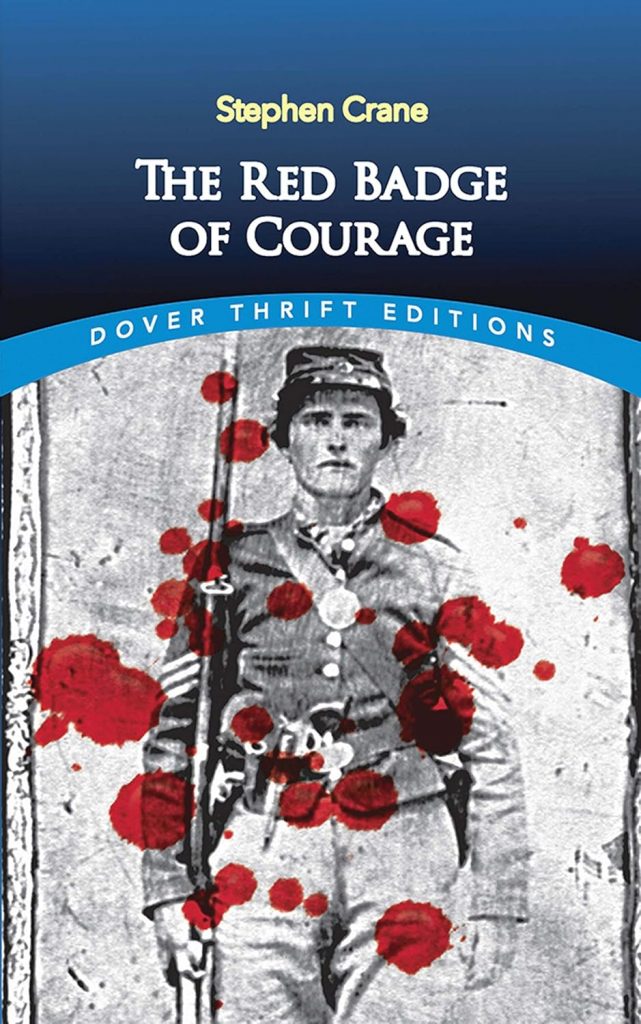
The Red Badge of Courage tells the story of Henry Fleming, a young Union soldier during the American Civil War. Eager for glory, Henry enlists but quickly finds himself overwhelmed by fear in battle. In his first engagement, he flees the battlefield and later feels deep shame for his cowardice.
Wishing for a “red badge of courage” to prove his bravery, Henry receives a head wound (ironically from another Union soldier) and pretends it’s a battle injury. Over time, he matures, returns to fight, and eventually proves himself in combat. By the end, Henry gains a more realistic understanding of war, courage, and himself.
Fyodor Dostoyevsky:
Fyodor Dostoevsky (1821-1881) was a towering Russian novelist, short story writer, and essayist, whose works profoundly explored the human psyche and the complex moral, social, and philosophical issues of his time. Born in Moscow, he experienced a tumultuous life, including a mock execution and years of penal servitude in Siberia for his involvement with a socialist intellectual group. These profound experiences deeply influenced his later writing.
He is best known for his psychologically intense novels, which delve into the darkest corners of human nature, faith, and freedom. Dostoevsky died in St. Petersburg in 1881, leaving behind a legacy that continues to influence literature, philosophy, and psychology.
While Dostoevsky is often considered a Realist writer, his approach to realism was unique and often described as “fantastic realism” or “psychological realism.” He captured the grittiness and everyday realities of 19th-century Russia, particularly the poverty-stricken areas of St. Petersburg and the lives of its ordinary and often desperate inhabitants.
In essence, Dostoevsky used the framework of realism to plumb the depths of the human soul and grapple with universal questions of existence, morality, and faith, making him a crucial figure in the development of psychological fiction and a precursor to existentialism.
The Brothers Karamazov (1880) / Discussion Questions
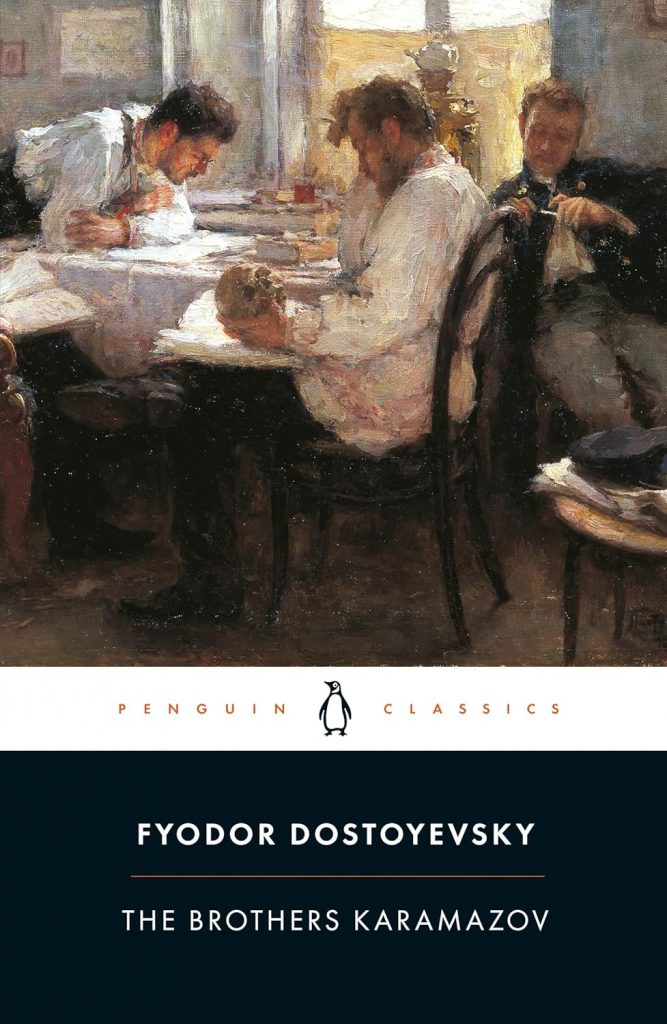
The Brothers Karamazov centers on the lives of the three Karamazov brothers—Dmitri (passionate and impulsive), Ivan (intellectual and skeptical), and Alyosha (spiritual and compassionate)—and their father, Fyodor Pavlovich, a selfish and immoral man.
When Fyodor is murdered, Dmitri is accused due to his open hatred for their father, especially over a love triangle involving a woman named Grushenka. The trial reveals the complex psychological and moral struggles of each brother, while a fourth, illegitimate brother, Smerdyakov, plays a crucial hidden role in the crime.
The novel explores themes of faith, doubt, free will, and the nature of evil. In the end, Alyosha emerges as a moral guide, while the family is left fractured by tragedy, guilt, and redemption.
Theodore Dreiser:
Theodore Dreiser (1871–1945) was a prominent American novelist and journalist, known for his unflinching portrayals of social inequality and human ambition. Born in Indiana to a poor German-American family, Dreiser experienced hardship early in life, which heavily influenced his writing.
He began his career as a journalist before turning to fiction. His first novel, Sister Carrie (1900), was groundbreaking in its realistic depiction of a young woman’s rise and fall in urban America. Despite initial controversy, it became a landmark of American naturalism. Dreiser’s most famous work, An American Tragedy (1925), cemented his reputation as a major literary figure. The novel examines class, ambition, and the consequences of moral weakness.
Dreiser’s work often challenged Victorian ideals, emphasizing the role of environment, social forces, and instinct in shaping human behavior. His gritty, honest style made him a key figure in the realist and naturalist literary movements.
An American Tragedy (1925) / Discussion Questions
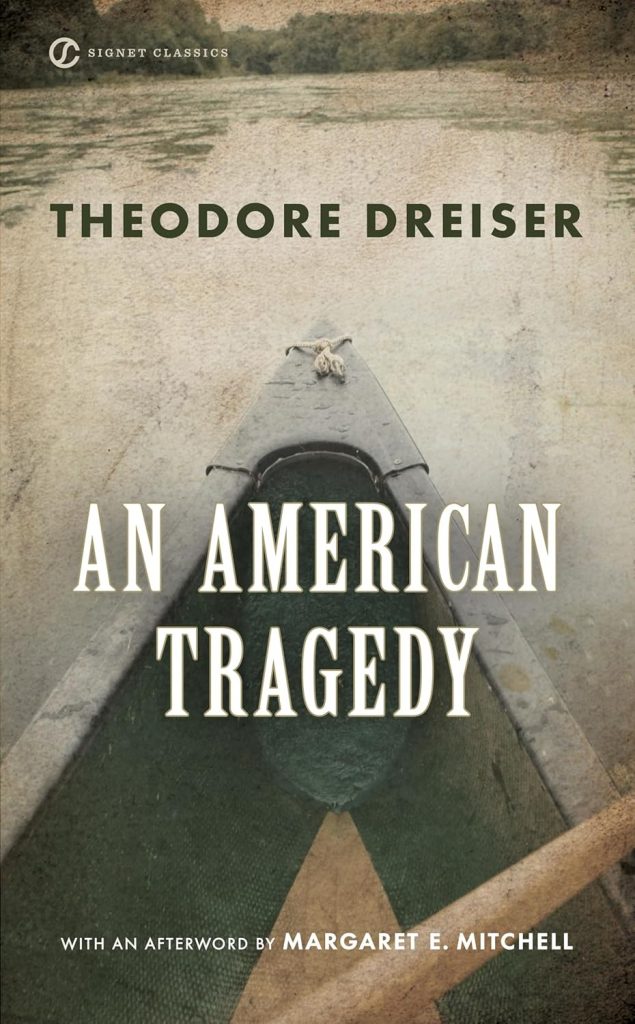
An American Tragedy follows Clyde Griffiths, a young man from a poor, religious family who yearns for wealth, status, and social acceptance. He lands a job at his wealthy uncle’s factory and begins to climb the social ladder. While secretly involved with a working-class girl named Roberta Alden, Clyde becomes infatuated with Sondra Finchley, a beautiful socialite who represents the glamorous life he craves.
When Roberta becomes pregnant and insists on marriage, Clyde, fearing the loss of his social ambitions, plans to kill her in a staged accident during a boating trip. His plan goes wrong—Roberta dies, but Clyde hesitates and doesn’t save her. He is arrested, tried, and ultimately executed.
The novel explores themes of ambition, class, morality, and the dark side of the American Dream, portraying how societal pressures and personal desires can lead to ruin.
George Eliot:
George Eliot (1819-1880) was the pen name of Mary Ann Evans, an English novelist, journalist, translator, and one of the most prominent writers of the Victorian era. Born in Warwickshire, England, she was known for her intellectual prowess from a young age, receiving an unusually good education for a woman of her time. She began her literary career translating German philosophical works and became assistant editor of the influential Westminster Review. She adopted the male pseudonym “George Eliot” to ensure her work would be taken seriously in a literary world that often dismissed female authors as sentimental.
Eliot is a towering figure in the Realism literary movement, fundamentally shaping the novel’s direction in the Victorian era. Her commitment to realism stemmed from a desire to depict life with unflinching honesty and profound psychological insight, moving beyond romanticized or idealized portrayals. Through her rigorous intellectual approach and her profound understanding of human nature, George Eliot transformed the novel into a powerful vehicle for serious moral and social inquiry, solidifying her place as a master of Victorian Realism.
Middlemarch (1871-72) / Discussion Questions
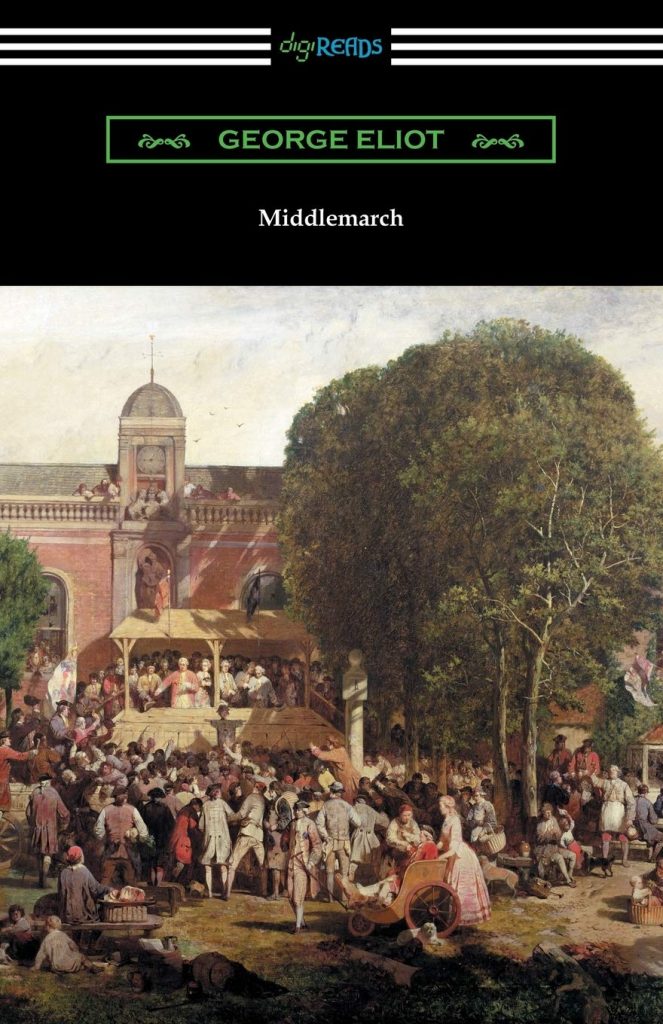
Middlemarch is a richly layered novel set in a fictional English town in the early 1830s. It weaves together several storylines centered on the lives, ambitions, and relationships of its residents.
The main plot follows Dorothea Brooke, an idealistic young woman who marries the much older and dry scholar Edward Casaubon, hoping to find purpose through his intellectual work. The marriage proves disappointing, and after Casaubon’s death, Dorothea develops a deep bond with his younger cousin, Will Ladislaw.
Another key storyline features Dr. Tertius Lydgate, a progressive young doctor whose ambitions to reform medicine in Middlemarch are thwarted by his imprudent marriage to the beautiful but shallow Rosamond Vincy and his involvement with the town’s politics.
The novel explores themes of social change, gender roles, idealism, and the complexities of human motivation. Through its ensemble of characters, Middlemarch offers a profound examination of ordinary lives and the quiet dramas that shape them.
Charlotte Perkins Gilman:
Charlotte Perkins Gilman (1860-1935) was an influential American feminist writer, lecturer, and social reformer. Born in Hartford, Connecticut, she faced a challenging early life, including her father’s abandonment of the family and periods of poverty. Despite a limited formal education, she attended the Rhode Island School of Design.
Gilman is widely known for her short story “The Yellow Wall-Paper”, a semi-autobiographical account of a woman’s descent into madness during a “rest cure” for postpartum depression, a treatment she herself underwent. The story critiques the restrictive roles imposed on women in her era.
Gilman’s work often focused on the impact of gender roles and male domination on society. She was a prolific writer of essays, poems, and novels. She was a leading voice in the women’s movement, and her ideas continue to resonate with feminists today.
The Yellow Wallpaper and Other Stories of Liberation (1892) / Discussion Questions

The Yellow Wallpaper and Other Stories of Liberation is a collection that brings together Charlotte Perkins Gilman’s seminal short story “The Yellow Wallpaper” with other works by female authors that explore themes of female autonomy, societal constraint, and psychological struggle.
The centerpiece, “The Yellow Wallpaper”, follows a woman suffering from what her husband, a physician, calls a “temporary nervous depression.” Prescribed a rest cure, she is confined to a nursery with barred windows and forbidden from working or writing. Isolated and patronized, she fixates on the room’s yellow wallpaper, eventually projecting her own feelings of entrapment onto it. As her mental health deteriorates, she imagines a woman trapped behind the wallpaper’s pattern, symbolizing her own repression and descent into madness.
The accompanying stories in the collection similarly explore the internal and external battles faced by women in patriarchal societies. These stories often focus on issues of identity, marriage, motherhood, race, and class, highlighting how social expectations can limit personal freedom. The protagonists navigate their worlds with increasing awareness and agency, sometimes subtly resisting and other times breaking free in dramatic ways.
Overall, this collection illuminates the struggles for liberation—emotional, intellectual, and social—that have defined much of women’s literature across generations.
Sinclair Lewis:
Sinclair Lewis (1885-1951) was an American novelist and the first American to win the Nobel Prize in Literature (1930). His work is deeply embedded in the realist movement in American literature, primarily through his satirical and unflinching portrayals of American society, particularly the middle class and small-town life. Lewis’s brand of realism involved meticulous observation and detailed depiction of everyday life, often exposing its mundane, hypocritical, or materialistic aspects. He rejected romanticized or idealized versions of America, instead choosing to present characters and settings with warts and all. This commitment to verisimilitude allowed him to create a mirror to American culture, often to its discomfort.
Through his sharp wit and dedication to portraying life as he saw it, Lewis became a leading voice in the realist movement, using his fiction as a powerful tool for social criticism and cultural examination.
Mainstreet (1920) / Discussion Questions
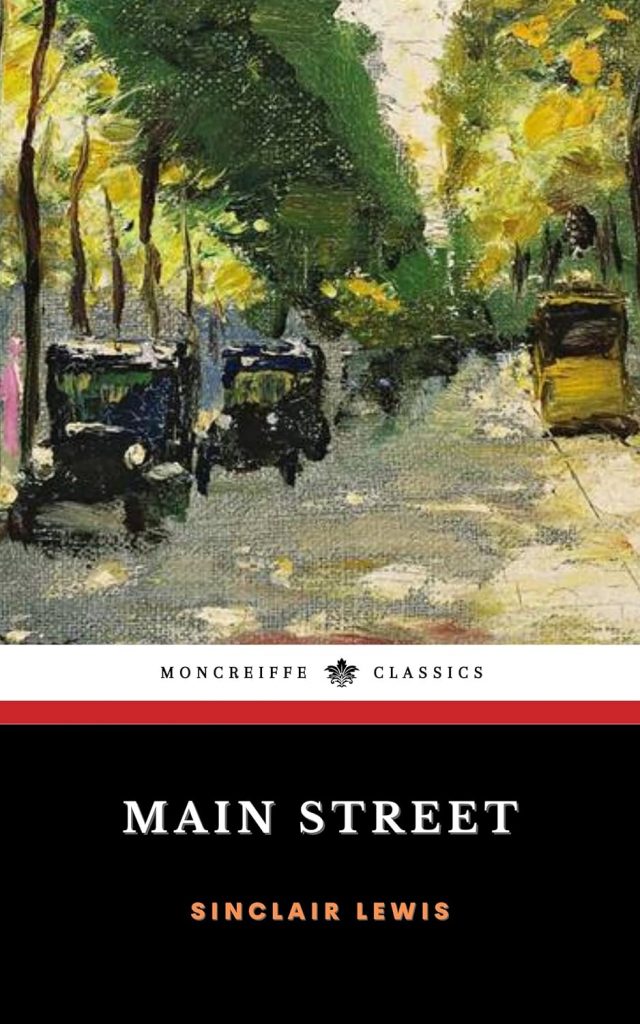
Main Street (1920) follows Carol Kennicott, an idealistic and cultured young woman from St. Paul, Minnesota, who marries Dr. Will Kennicott and moves with him to his small hometown of Gopher Prairie. Carol hopes to bring beauty, reform, and progressive ideas to the town, imagining herself as a force for social and cultural improvement.
However, she quickly becomes disillusioned with the town’s conformity, resistance to change, and narrow-mindedness. Her attempts to reform Gopher Prairie’s architecture, social customs, and cultural life are met with suspicion, mockery, and hostility from the townspeople. Over time, she struggles with loneliness, a sense of entrapment, and the limitations imposed on women of her era.
Main Street is a sharp social satire of small-town America and a critique of the limitations placed on women and visionaries in early 20th-century society.
Jack London:
Jack London (1876-1916) was an American novelist, journalist, and short story writer, becoming one of the first American authors to achieve international celebrity and significant wealth from his writing, despite his relatively short life. Born John Griffith Chaney in San Francisco, California, he adopted the surname London from his stepfather. His early life was marked by hardship and adventure; he worked in a cannery, became an oyster pirate, sailed on a sealing schooner to Japan, and rode freight trains as a hobo, even spending time in prison for vagrancy. These experiences heavily influenced his later writing. London’s most famous works often depict elemental struggles for survival and the raw power of nature.
London’s writing is deeply rooted in the Realism and Naturalism literary movements. Through his adventurous life and his powerful, unvarnished prose, Jack London cemented his legacy as a significant voice in American Realism, portraying a world where individuals are often pitted against forces larger than themselves.
The Call of the Wild (1903) / Discussion Questions

The Call of the Wild follows Buck, a strong and domesticated dog who is stolen from his comfortable home in California and sold into the brutal life of an Alaskan sled dog during the Klondike Gold Rush. Forced to adapt to harsh conditions and the law of survival, Buck becomes increasingly wild and instinct-driven.
He passes through several owners, experiencing both cruelty and kindness, but it is under the care of John Thornton, a compassionate prospector, that Buck finds love and loyalty. After Thornton’s tragic death, Buck fully answers the call of the wild, joining a wolf pack and embracing his primal nature.
The novel explores themes of survival, the clash between civilization and the wild, and the deep connection between humans and animals.
J.D. Salinger:
J.D. Salinger (1919–2010) was an American writer best known for his classic novel The Catcher in the Rye (1951). Born in New York City, Salinger developed an early interest in writing and began publishing short stories in magazines in the 1940s. He served in World War II, an experience that deeply influenced his worldview and writing.
Despite his fame, Salinger was intensely private. He withdrew from public life in the 1950s and published only a few more works, including stories about the Glass family. He lived in seclusion in New Hampshire for decades, writing continuously but releasing little. His reclusive nature only added to the mystique surrounding his work and life.
The Catcher in the Rye (1951) / Discussion Questions
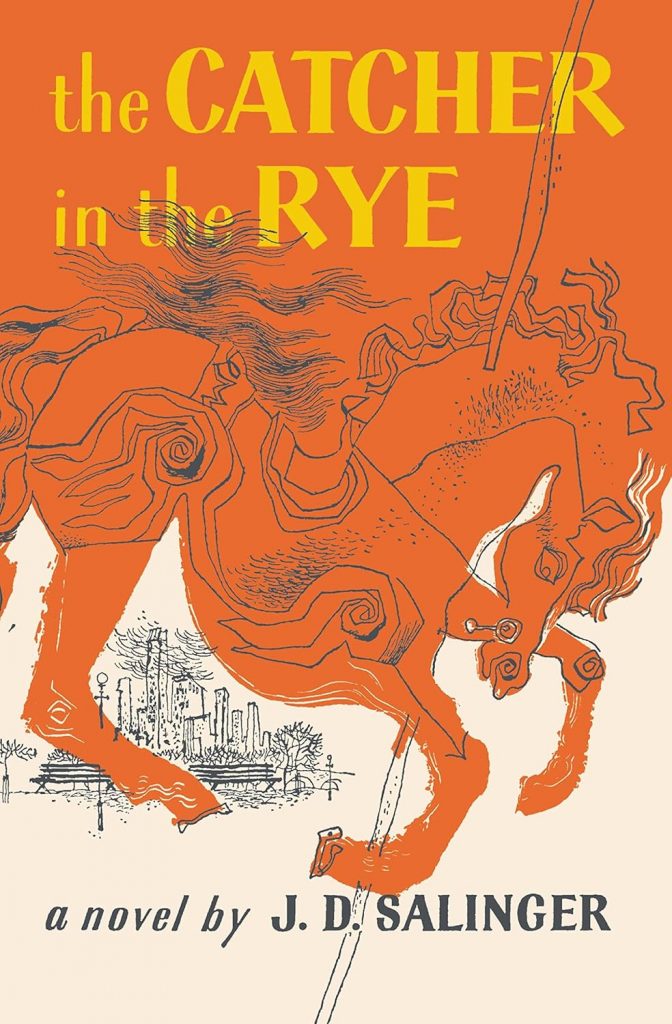
The Catcher in the Rye follows 16-year-old Holden Caulfield after he’s expelled from his prep school, Pencey Prep. Disillusioned and emotionally adrift, Holden leaves early and spends several days wandering New York City, avoiding his parents and searching for meaning and connection. The book explores themes of alienation, loss of innocence, and the difficulty of growing up in a world that feels inauthentic.
Nine Stories (1953) / Discussion Questions
Nine Stories is a collection of short stories that explore themes such as innocence, trauma, human connection, and the struggles of postwar life. Each story stands alone, but many feature characters dealing with inner conflict, emotional fragility, and moments of unexpected insight. The collection showcases Salinger’s deep sensitivity to human psychology, particularly in children and emotionally wounded adults, often with a mix of irony, tenderness, and quiet tragedy.
John Steinbeck:
John Steinbeck (1902-1968) was a celebrated American novelist and Nobel Prize laureate, whose works vividly captured the struggles of the working class and the marginalized, particularly during the Great Depression. Born and raised in the Salinas Valley, California, a region that would profoundly influence his literary settings, Steinbeck developed a deep empathy for laborers and those dispossessed by economic hardship. He attended Stanford University intermittently but never graduated, opting instead for various manual labor jobs that provided him with direct experience of the lives he would later portray with such authenticity.
Steinbeck received the Nobel Prize in Literature in 1962 “for his realistic and imaginative writings, combining as they do sympathetic humor and keen social perception.” He is a pivotal figure in the Realism literary movement in American literature, particularly in his powerful depictions of the Great Depression era.
While often considered a naturalist for his unsparing depiction of harsh realities and deterministic forces, Steinbeck often blended this with a profound sense of human dignity, resilience, and compassion, setting him apart from some of the grimmer naturalists. He portrayed the pain and injustice of the world, yet often held onto a belief in the endurance and potential “perfectibility” of humanity, even in the face of overwhelming adversity.
East of Eden (1952) / Discussion Questions
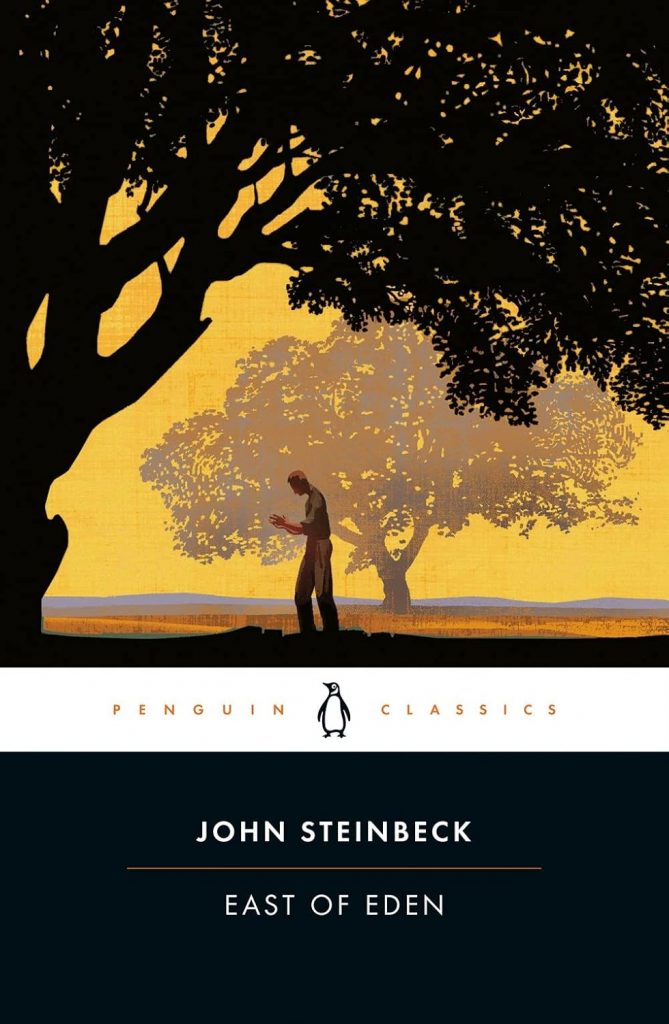
East of Eden is a multigenerational saga set in California’s Salinas Valley, exploring the intertwined lives of the Trask and Hamilton families. The novel parallels the biblical story of Cain and Abel, focusing on themes of good versus evil, free will, and redemption.
At the heart of the story is the Trask family. Adam Trask struggles with betrayal after his wife, Cathy, leaves him and their twin sons, Caleb and Aron. As the boys grow, Caleb discovers the truth about their mother and wrestles with his darker impulses, while Aron remains innocent and idealistic.
The novel culminates in Caleb’s painful realization that he may have hurt his brother and father, but he is offered a chance at redemption through his father’s final word: “Timshel”—a Hebrew term meaning “thou mayest,” suggesting that people have the power to choose their path.
East of Eden is a powerful exploration of human nature, morality, and the capacity for change.
The Grapes of Wrath (1939) / Discussion Questions
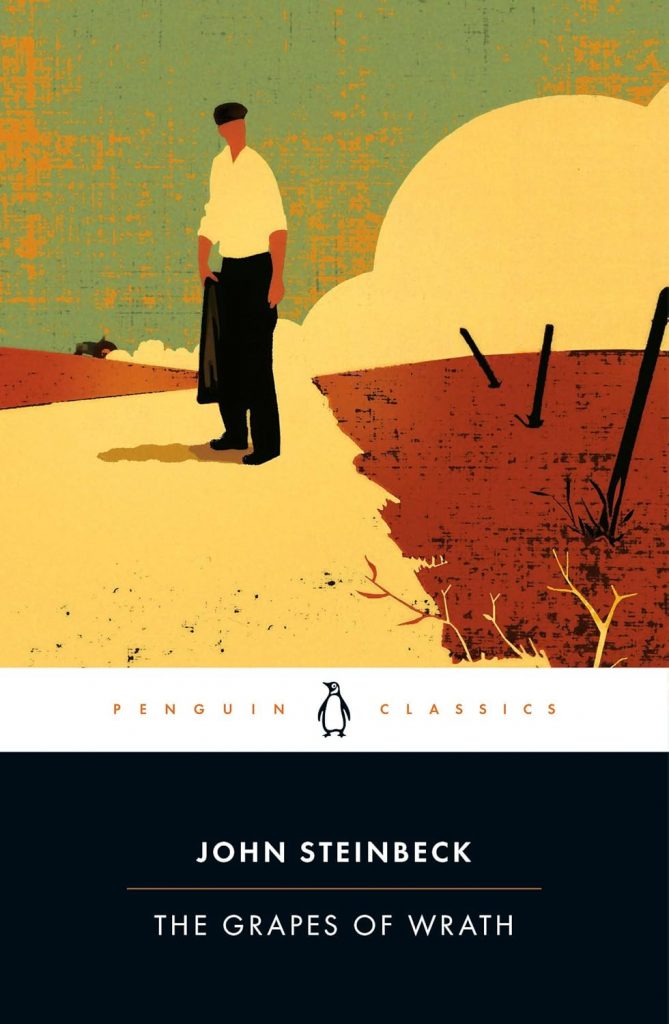
The Grapes of Wrath follows the Joad family as they journey from Oklahoma to California during the Great Depression after losing their farm in the Dust Bowl. Led by recently paroled Tom Joad, the family hopes to find work and a better life in the West.
As they travel along Route 66, they face hardship, loss, and disillusionment. In California, they encounter overcrowded migrant camps, exploitation, and brutal working conditions. The family’s unity is tested as they struggle with poverty and injustice.
Despite suffering and setbacks—including the death of the family’s matriarch figure and Tom going into hiding after killing a man in self-defense—the novel ends on a note of resilience and compassion. A powerful final scene underscores the importance of human dignity and solidarity in the face of suffering.
Of Mice and Men (1937) / Discussion Questions
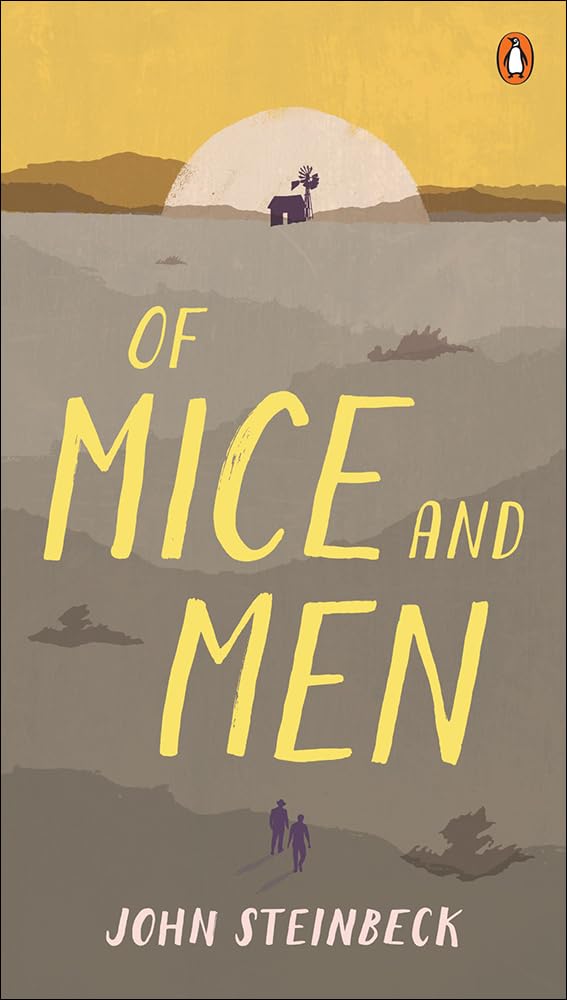
Of Mice and Men follows two displaced ranch workers, George and Lennie, during the Great Depression in California. George is small and sharp, while Lennie is large and mentally disabled, with a deep love for petting soft things. They share a dream of owning their own piece of land and living in peace.
The pair finds work on a new ranch, where they meet other struggling characters. Trouble arises when Lennie, unaware of his own strength, accidentally kills a puppy and then the flirtatious wife of Curley, the boss’s aggressive son.
Fearing a lynch mob, George makes the heartbreaking decision to kill Lennie himself to save him from a worse fate. The novel explores themes of friendship, loneliness, dreams, and the harsh realities of American life during the Depression.
Leo Tolstoy:
Leo Tolstoy (1828-1910) was a renowned Russian novelist, short story writer, and essayist, considered one of the giants of Russian literature. Born into an aristocratic family at his estate, Yasnaya Polyana, he had an early life marked by privilege and a challenging upbringing after losing both parents at a young age. He briefly attended Kazan University but left without a degree.
His experiences in the Crimean War as an artillery officer (1854-1855), where he was appalled by the death toll, influenced his later pacifism. He gained early recognition for his semi-autobiographical trilogy, Childhood, Boyhood, and Youth (1852-1856), and Sevastopol Sketches (1855), which drew on his war experiences. In his later life, Tolstoy became a prominent moral thinker, pacifist, and social reformer, expressing his views on art, religion, and society in various non-fiction works.
Leo Tolstoy is a master of Realism in literature, a movement that sought to depict life without idealization or embellishment, focusing on everyday experiences and human behavior as it truly is. He presented both the positive and negative aspects of life in 19th-century Russia, and was unafraid to show the complexities and often harsh realities of society, from the lives of aristocrats to the struggles of peasants.
War and Peace (1873) / Discussion Questions
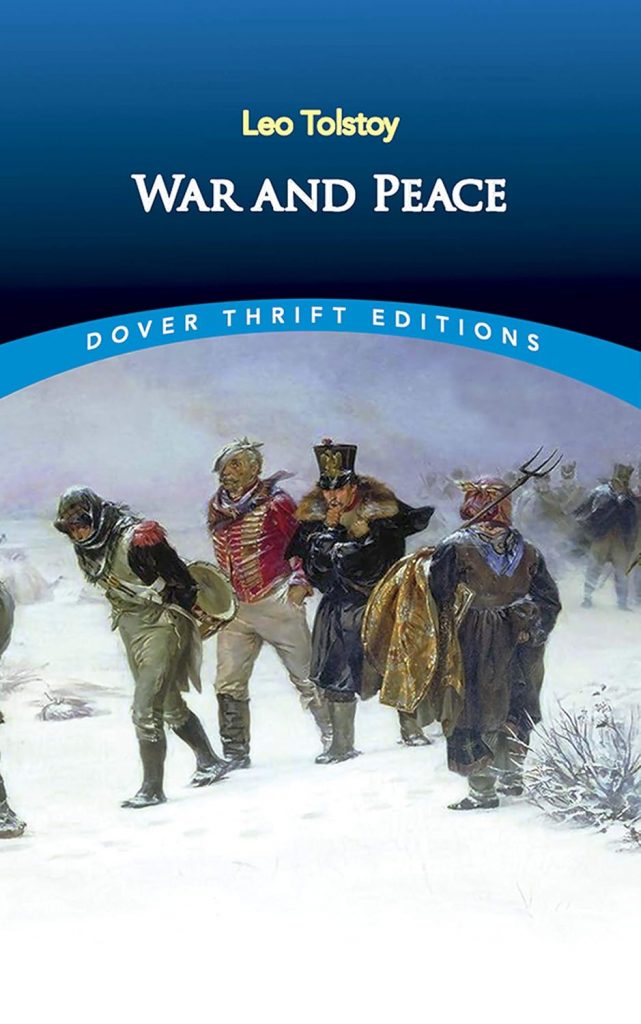
War and Peace is a sweeping epic set during the Napoleonic Wars in early 19th-century Russia. It follows the lives of several aristocratic families—primarily the Bezukhovs, Bolkonskys, and Rostovs—as they navigate love, war, politics, and personal transformation.
Pierre Bezukhov, a thoughtful but awkward nobleman, inherits great wealth and seeks meaning in life. Prince Andrei Bolkonsky, a disillusioned war hero, struggles with loss and purpose. Natasha Rostov, a lively young woman, matures through heartbreak and hardship.
Against the backdrop of Napoleon’s invasion of Russia, the novel explores the chaos of war and the quiet struggles of peace. Major historical events—like the Battle of Austerlitz and the burning of Moscow—interweave with personal dramas. By the end, characters find growth, spiritual clarity, and a deeper understanding of their roles in the vast sweep of history.
Tolstoy blends fiction, history, and philosophy to create a profound meditation on fate, freedom, and the endurance of the human spirit.
Mark Twain:
Mark Twain (1835-1910), born Samuel Langhorne Clemens, was a quintessential American writer, humorist, and essayist, widely regarded as the “father of American literature” by figures like William Faulkner. His early life in Hannibal, Missouri, a town on the Mississippi River, profoundly influenced the settings and characters of his most famous works.
Twain’s diverse early careers, including steamboat pilot on the Mississippi (which inspired his pen name, a nautical term for safe water depth) and a prospector in the West, provided him with a rich tapestry of experiences that he wove into his writing. Twain’s work is celebrated for its distinctive American voice, mastery of colloquial speech, sharp wit, and incisive social commentary. He used humor and satire to critique society’s follies, hypocrisy, and injustice, from the Gilded Age’s materialism to the institution of slavery.
Mark Twain’s literary legacy lies in his ability to capture the spirit of America, entertain with his unique humor, and provoke thought with his profound observations on human nature and society.
The Adventures of Huckleberry Finn (1885) / Discussion Questions
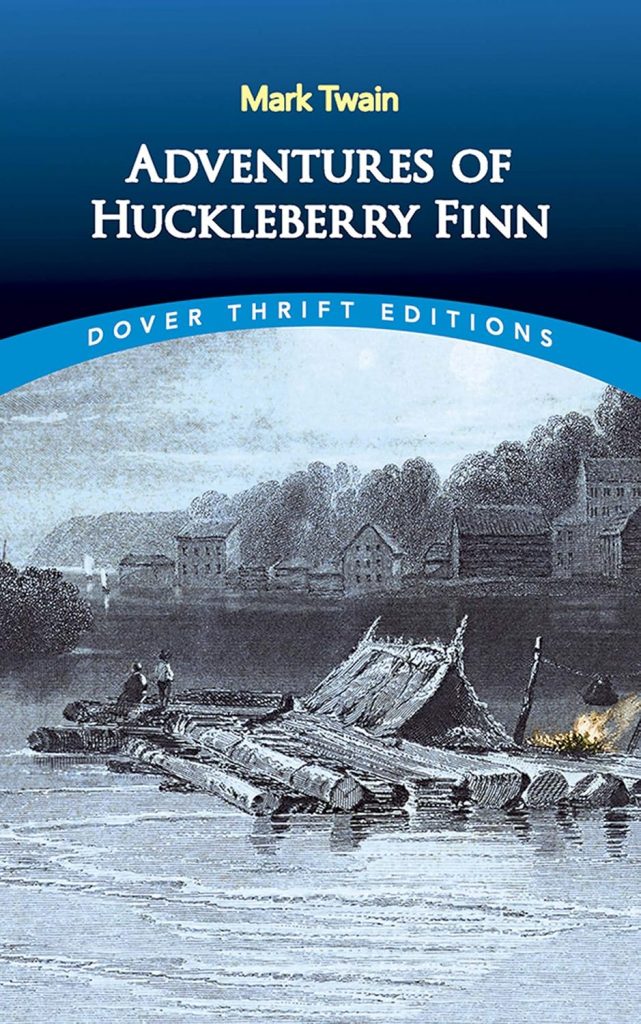
The Adventures of Huckleberry Finn follows a young boy, Huck Finn, as he escapes his abusive father and sets off on a journey down the Mississippi River. He is joined by Jim, a runaway enslaved man seeking freedom. As they travel, Huck grapples with the moral dilemmas of helping Jim escape in a society that condones slavery. Along the way, they encounter various characters and schemes, including con men, feuding families, and old friends. Through these adventures, Huck matures and ultimately decides to follow his conscience, rejecting societal norms in favor of doing what he believes is right. The novel is a powerful commentary on race, freedom, and morality in pre-Civil War America.
The Adventures of Tom Sawyer (1876) / Discussion Questions
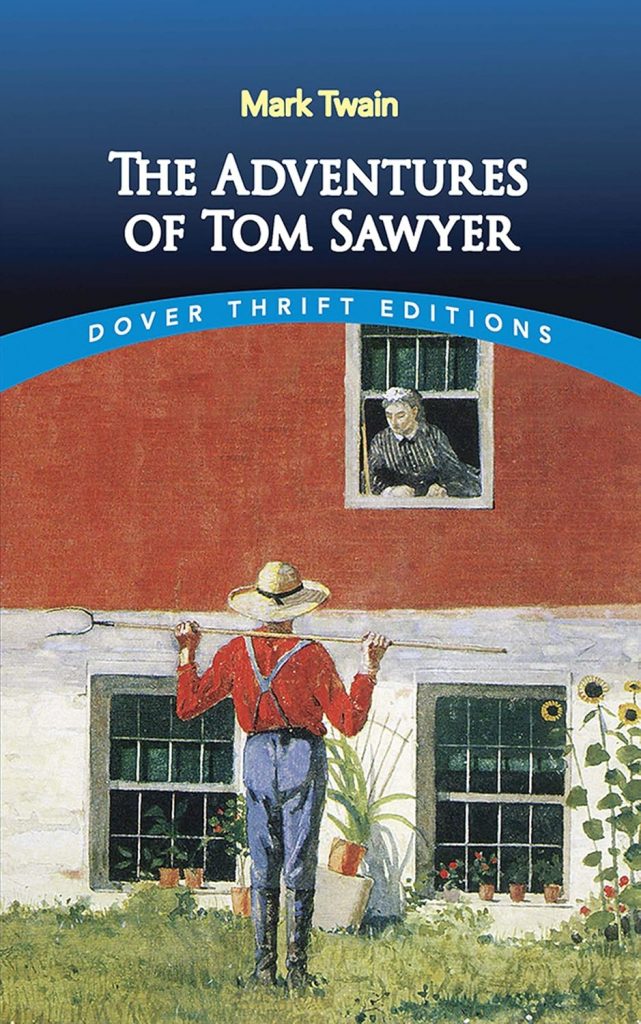
The Adventures of Tom Sawyer follows the mischievous and imaginative young Tom as he grows up in the fictional town of St. Petersburg, Missouri. Tom gets into various adventures with his friends, including playing hooky, running away to become pirates, and exploring caves. He also falls in love with Becky Thatcher and struggles to win her affection. The story takes a darker turn when Tom and his friend Huck Finn witness a murder in a graveyard. They wrestle with fear and guilt but eventually reveal the truth, helping to bring justice. In the end, Tom emerges as both a hero and a boy still full of childhood wonder.
Roughing It (1872) / Discussion Questions
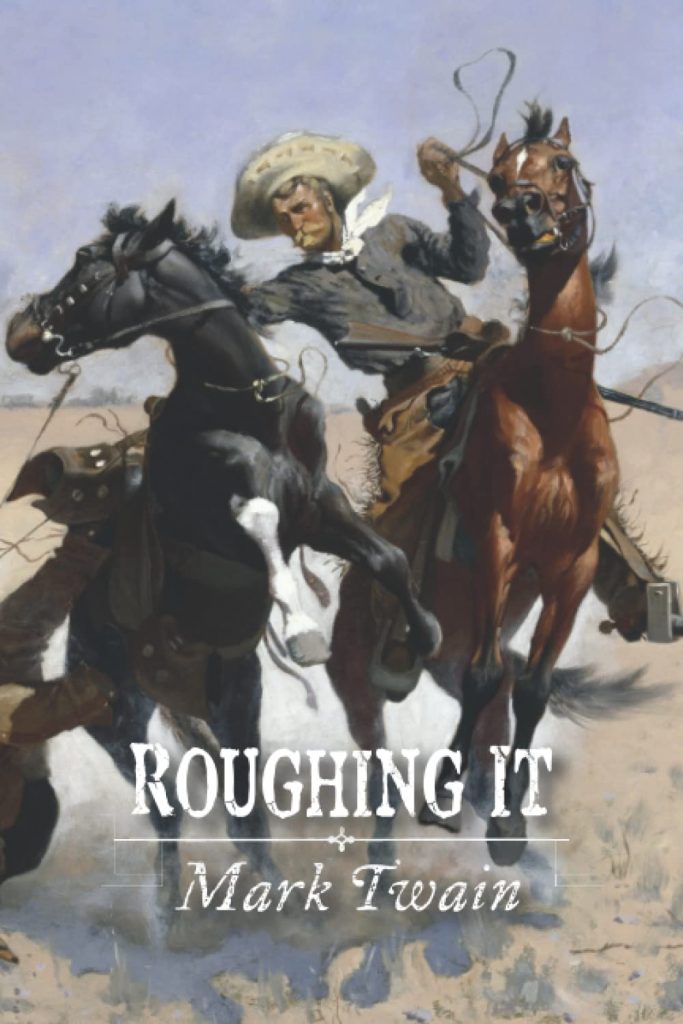
Roughing It is a semi-autobiographical travel memoir by Mark Twain, recounting his adventurous journey through the American West in the 1860s. The book begins with Twain joining his brother Orion on a stagecoach trip to Nevada, where Orion is appointed Secretary of the Nevada Territory. Along the way, Twain encounters colorful characters, wild landscapes, and humorous misadventures. He tries his hand at silver mining, journalism, and various schemes before traveling to California and then Hawaii. Through satirical and vivid storytelling, Twain captures the spirit, hardship, and absurdity of frontier life in the expanding American West.
Edith Wharton:
Edith Wharton (1862-1937) was a distinguished American novelist, short story writer, and designer, celebrated for her astute and often critical portrayals of the wealthy, aristocratic New York society into which she was born. Born Edith Newbold Jones, she received a privileged education, including extensive travel in Europe, which exposed her to various cultures and languages. Despite the societal expectation for women of her class to focus solely on marriage and social duties, Wharton possessed a sharp intellect and a profound passion for literature, leading her to pursue a writing career.
Edith Wharton is a quintessential figure of American Realism. She employed realist techniques to dissect the social strata, customs, and psychological nuances of the late 19th and early 20th century American elite, a world she knew intimately. Her involvement with Realism is characterized by her insider’s perspective on High Society, her social commentary and satire, her unsentimental portrayal of relationships, and her detailed and accurate settings.
Through her keen observation, psychological insight, and masterly prose, Edith Wharton solidified her place as a crucial voice in American Realism, providing an incisive and enduring record of a vanished era and the universal human struggles within it.
The Age of Innocence (1920) / Discussion Questions
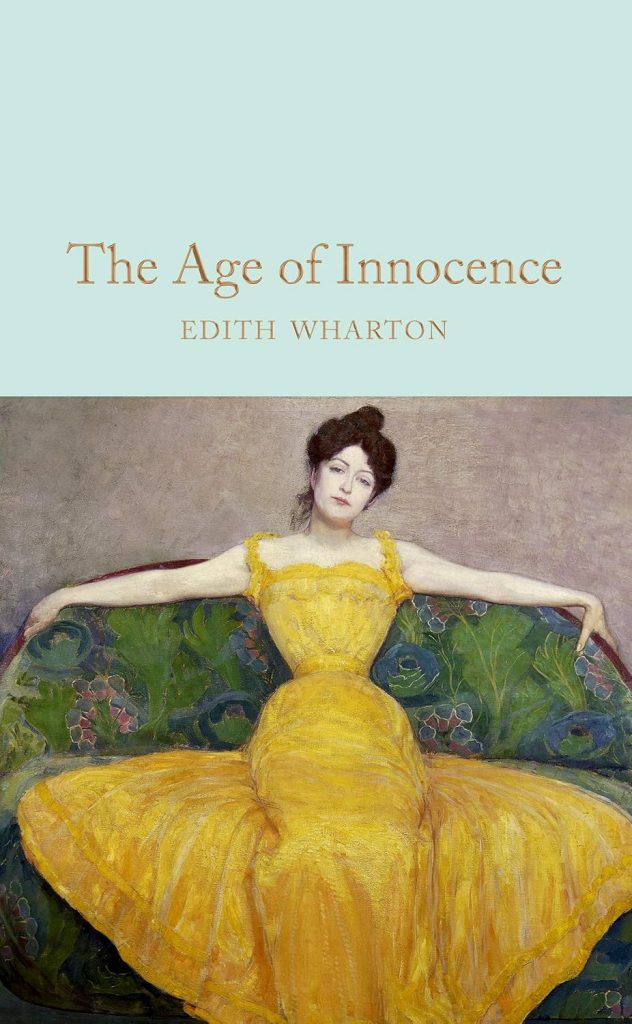
Set in 1870s New York high society, The Age of Innocence follows Newland Archer, a young lawyer engaged to the beautiful and proper May Welland. His orderly world is disrupted when May’s cousin, Countess Ellen Olenska, returns from Europe after leaving her unfaithful husband. Independent and unconventional, Ellen challenges the rigid social codes of their elite world.
As Newland falls in love with Ellen, he is torn between following his heart and fulfilling his duty to May and society’s expectations. Ultimately, he chooses to stay with May, sacrificing his own happiness. Years later, a widowed Newland reflects on his choices, realizing how deeply social conventions shaped—and limited—his life.
The novel explores themes of duty, desire, and the constraints of societal norms.
The House of Mirth (1905) / Discussion Questions
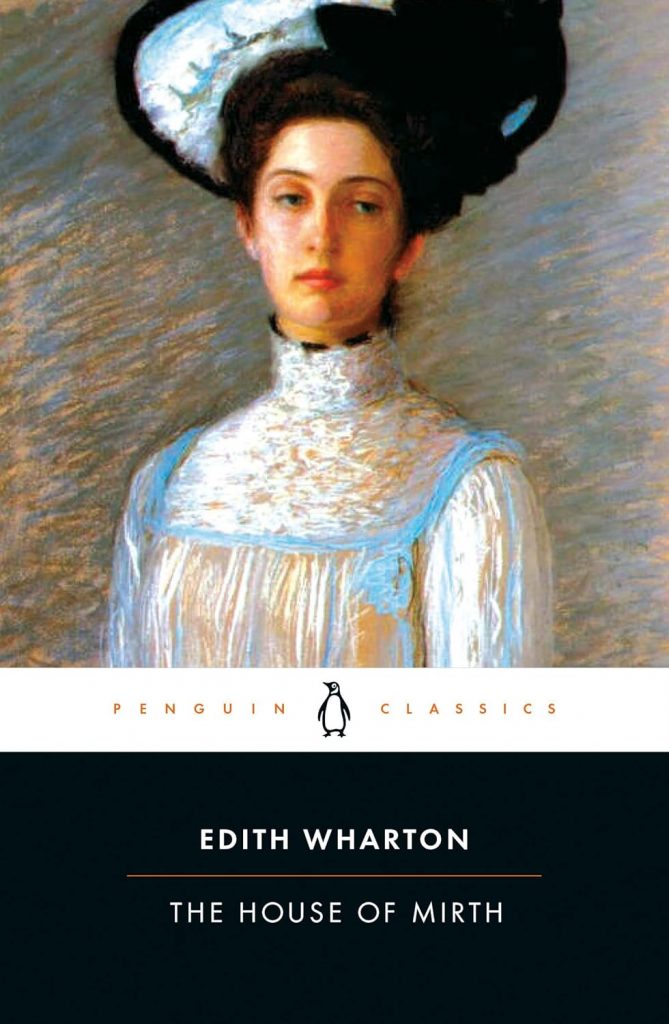
The House of Mirth tells the story of Lily Bart, a beautiful and charming woman navigating New York high society in the early 1900s. Though born into privilege, Lily is now financially dependent on the goodwill of wealthy friends and must marry rich to secure her future.
As she seeks a suitable husband, Lily’s pride, missteps, and unwillingness to compromise her ideals lead to her social decline. Rumors, scandals, and betrayals gradually isolate her from the elite world she once belonged to. Despite chances for redemption, Lily ultimately falls into poverty and despair.
The novel is a tragic critique of a society that values wealth and reputation over integrity and compassion.
*Descriptions taken from Amazon.com, Thrift Books, Gemini AI, and Chat GPT.
About the Book Club Resource
Book club sets are circulated to participating libraries via the CLiC courier. Read all about the program on the Book Club Resource landing page. If you are interested in receiving book club sets but are not already a member library, use the online form to get signed up.
Since the BCR has always relied on book donations, we are deeply grateful to all the libraries, authors, and organizations that have donated sets and helped make the collection stronger. Please contact [email protected] for questions or to discuss donations.
Resources:
Realism:
Willa Cather:
Kate Chopin:
Stephan Crane:
Fyodor Dostoyevsky:
Theodore Dreiser:
George Eliot:
Charlotte Perkins Gilman:
Sinclair Lewis:
Jack London:
J.D. Salinger:
John Steinbeck:
Leo Tolstoy:
Mark Twain:
Edith Wharton:
.png)
- Book Club Author Suggestion: Maggie O’Farrell - June 3, 2026
- Book Club Author Suggestion: David Grann - May 5, 2026
- From Prompts to Partners – The Art of the AI Workflow - April 16, 2026