
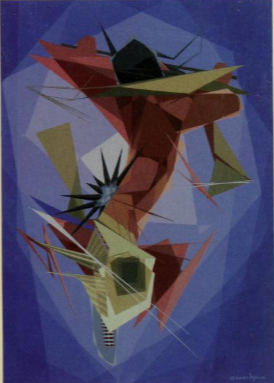
The Native American Renaissance is a pivotal literary movement that emerged in the late 1960s, marking a significant increase in the publication and recognition of literary works by Native American authors in the United States. Coined by critic Kenneth Lincoln in his 1983 book Native American Renaissance, the term highlights a flourishing of diverse Native voices after decades of marginalization in mainstream literature. This “renaissance” was largely inspired by the critical and commercial success of N. Scott Momaday’s 1968 novel, House Made of Dawn, which won the Pulitzer Prize for Fiction in 1969.
Prior to this period, Native American authors had published works, but few reached a wide readership. The Renaissance saw a renewed interest in customary tribal artistic expression, including mythology, ceremonialism, and oral traditions, often blended with Western literary forms. Key themes explored by these writers include the reclamation of heritage, the dilemma of mixed-blood protagonists navigating two worlds, the significance of sacred landscapes, and the “homing-in” plot, often involving a return to the reservation. This literary blossoming also coincided with a period of heightened Native American activism for sovereignty and civil rights.
The Native American Renaissance marked a crucial turning point, giving rise to powerful literary voices that reclaimed narratives, celebrated cultural heritage, and challenged dominant stereotypes.
The State Library wants to help you celebrate this literary movement by providing book club sets from many of the representative artists including those listed below. For a complete list of indigenous authors in our collection and other works related to Native American culture, see our topic specific list on the CSL book club catalog.
N. Scott Momaday (Kiowa):
Often credited with initiating the Native American Renaissance, Momaday’s novel House Made of Dawn (1968) powerfully explores themes of identity, alienation, and the profound connection to land and tradition. His subsequent work, such as the memoir The Way to Rainy Mountain (1969), further cemented his focus on Kiowa history, mythology, and the enduring power of language and storytelling in shaping identity. Momaday’s influence on subsequent generations of Native American writers is immense, having demonstrated the literary richness and depth of Indigenous perspectives.
House Made of Dawn (1968)| Discussion Questions
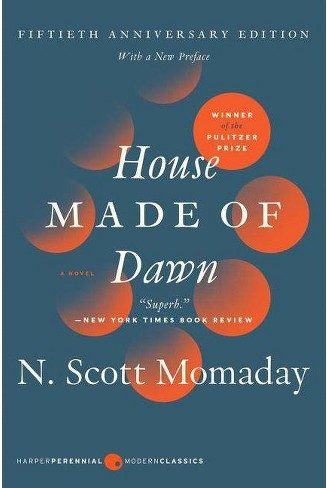
A young Native American, Abel has come home from war to find himself caught between two worlds. The first is the world of his grandfather’s, wedding him to the rhythm of the seasons, the harsh beauty of the land, and the ancient rites and traditions of his people. But the other world–modern, industrial America–pulls at Abel, demanding his loyalty, trying to claim his soul, and goading him into a destructive, compulsive cycle of depravity and despair. An American classic, House Made of Dawn is at once a tragic tale about the disabling effects of war and cultural separation, and a hopeful story of a stranger in his native land, finding his way back to all that is familiar and sacred.
Leslie Marmon Silko (Laguna Pueblo):
A central figure in the Renaissance, Leslie Marmon Silko is a highly acclaimed contemporary Native American author, known for her poetry, short stories, novels, and essays. Born on March 5, 1948, in Albuquerque, New Mexico, she was raised on the Laguna Pueblo reservation, where her mixed Laguna Pueblo, Mexican, and European-American heritage deeply influenced her work.
Silko’s writing is characterized by its profound exploration of cultural identity, heritage, and the tension between traditional Native American ways of life and modern society. She often draws on the oral traditions, myths, and storytelling practices of the Laguna Pueblo people, weaving them into contemporary narratives. Her work frequently highlights the importance of cultural preservation, community, and the interconnectedness of humans with the natural world.
Ceremony (1977) | Discussion Questions
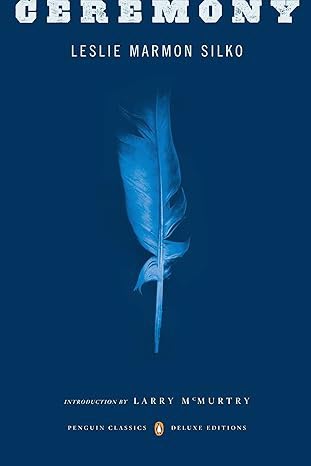
Tayo, a young Native American, has been a prisoner of the Japanese during World War II, and the horrors of captivity have almost eroded his will to survive. His return to the Laguna Pueblo reservation only increases his feeling of estrangement and alienation. While other returning soldiers find easy refuge in alcohol and senseless violence, Tayo searches for another kind of comfort and resolution. Tayo’s quest leads him back to the Indian past and its traditions, to beliefs about witchcraft and evil, and to the ancient stories of his people. The search itself becomes a ritual, a curative ceremony that defeats the most virulent of afflictions despair. Ceremony is a powerful exploration of trauma and healing through the lens of traditional Pueblo ceremonies.
James Welch (Blackfeet/Gros Ventre):
Welch’s work is characterized by its exploration of Native American identity and the struggles of reservation life, often with a sense of existentialism and surrealism. His first novel, Winter in the Blood (1974), depicts the alienated and searching journey of a young Blackfeet man on a Montana reservation. Welch’s poetry and novels, including Fools Crow (1986), which delves into the historical struggles of the Blackfeet people, contributed significantly to establishing the literary landscape of the Native American Renaissance, giving voice to experiences that had long been overlooked.
Fools Crow (1986) | Discussion Questions
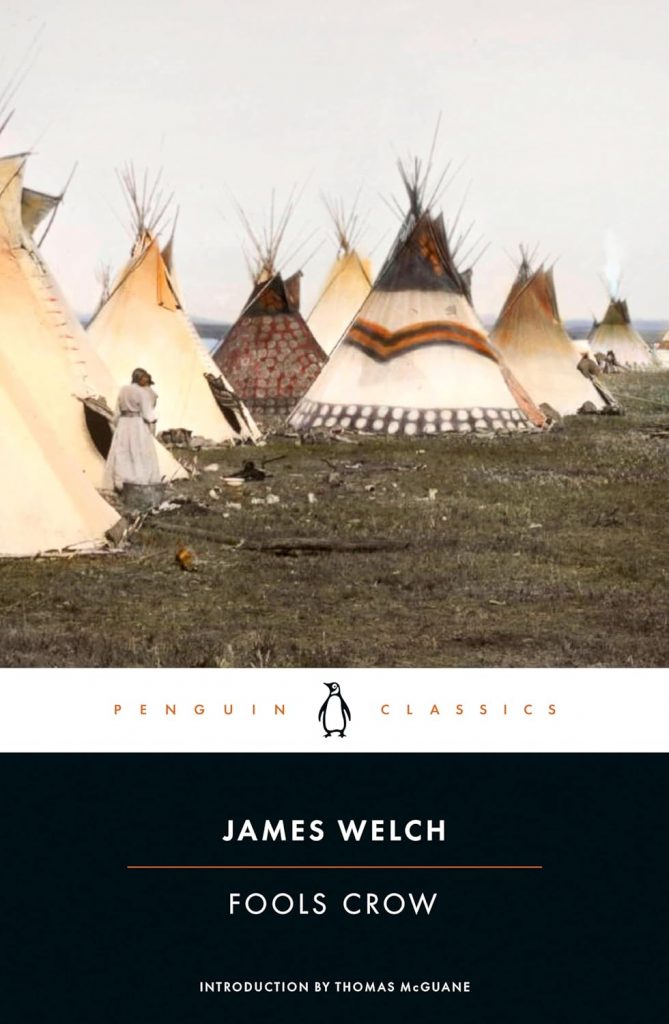
In the Two Medicine Territory of Montana, the Lone Eaters, a small band of Blackfeet Indians, are living their immemorial life. The men hunt and mount the occasional horse-taking raid or war party against the enemy Crow. The women tan the hides, sew the beadwork, and raise the children. But the year is 1870, and the whites are moving into their land. Fools Crow, a young warrior and medicine man, has seen the future and knows that the newcomers will punish resistance with swift retribution. First published to broad acclaim in 1986, Fools Crow is James Welch’s stunningly evocative portrait of his people’s bygone way of life.
Joy Harjo (Muscogee Creek):
A prolific poet, musician, and the first Native American to serve as U.S. Poet Laureate (2019-2022), Harjo’s work profoundly impacts Native American literature. While she came to prominence slightly after the initial wave of the Renaissance, her poetry deeply engages with themes of Indigenous identity, cultural survival, historical trauma, and the spiritual connection to land. Her collections, such as She Had Some Horses (1983) and An American Sunrise (2019), often blend personal narrative with ancestral voices and Mvskoke traditions, using vivid imagery and musicality to convey powerful emotional and political messages. Harjo’s advocacy and visibility as Poet Laureate have further elevated Native voices in contemporary literature.
Conflict Resolution for Holy Beings: Poems (2015) | Discussion Questions
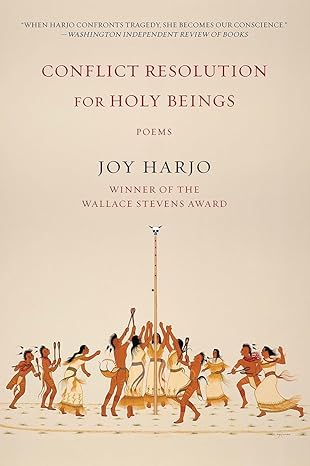
In these poems, the joys and struggles of the everyday are played against the grinding politics of being human. Beginning in a hotel room in the dark of a distant city, we travel through history and follow the memory of the Trail of Tears from the bend in the Tallapoosa River to a place near the Arkansas River. Stomp dance songs, blues, and jazz ballads echo throughout. Lost ancestors are recalled. Resilient songs are born, even as they grieve the loss of their country.
Crazy Brave: a Memoir (2012) | Discussion Questions
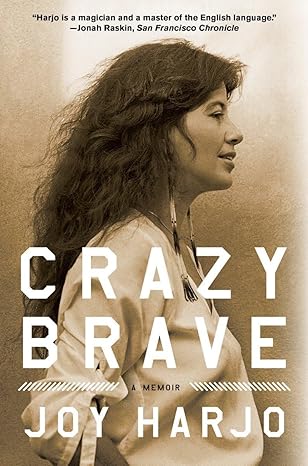
In this transcendent memoir, grounded in tribal myth and ancestry, music and poetry, Joy Harjo details her journey to becoming a poet. Born in Oklahoma, the end place of the Trail of Tears, Harjo grew up learning to dodge an abusive stepfather by finding shelter in her imagination, a deep spiritual life, and connection with the natural world. Narrating the complexities of betrayal and love, Crazy Brave is a haunting, visionary memoir about family and the breaking apart necessary in finding a voice.
Louise Erdrich (Ojibwe):
Erdrich is one of the most celebrated contemporary Native American novelists, known for her expansive fictional world centering on the intertwined lives of Ojibwe families on a North Dakota reservation. Her multi-generational saga, beginning with Love Medicine (1984), utilizes multiple narrators and shifting perspectives to explore complex themes of kinship, history, loss, and resilience. Erdrich masterfully blends humor, tragedy, and elements of Ojibwe folklore and spirituality, offering a rich and nuanced portrayal of modern Indigenous life. She is often considered a prominent figure in the “second wave” of the Native American Renaissance, building upon the foundations laid by earlier writers while expanding the scope and depth of Native American storytelling.
The Antelope Wife (1998) | Discussion Questions
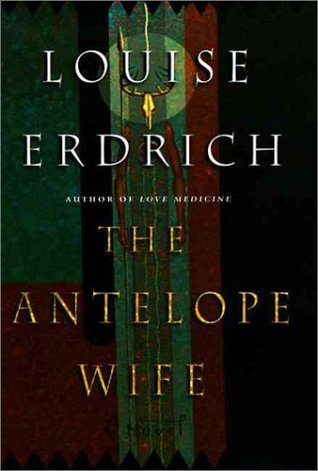
A novel that weaves together myth, history, and family drama, exploring themes of identity, loss, and the complexities of Ojibwe culture in a modern setting. The story, told through multiple perspectives, including that of a reservation dog, spans generations, beginning with a cavalry attack on an Ojibwe village and tracing the intertwined lives of the Roy and Shawano families. A central figure is Matilda Roy, raised by a white man after being separated from her mother, and later adopted by a herd of antelope. The narrative explores themes of love, betrayal, and the enduring power of tradition and the spirit world in the face of historical trauma and displacement.
The Sentence (2021) | Discussion Questions
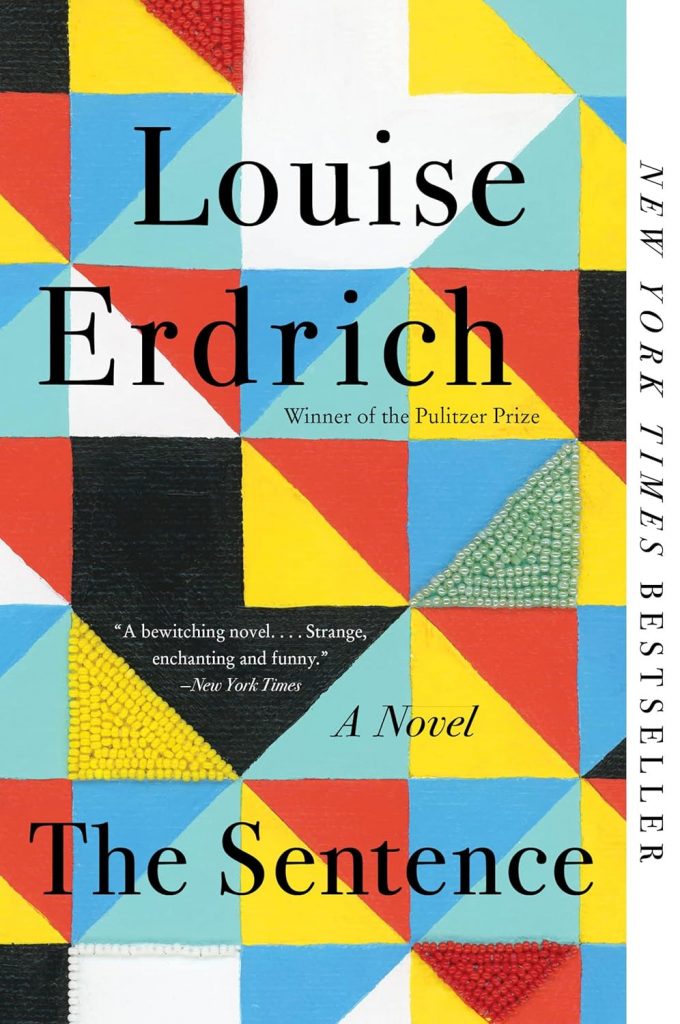
A small independent bookstore in Minneapolis is haunted from November 2019 to November 2020 by the store’s most annoying customer. Flora dies on All Souls’ Day, but she simply won’t leave the store. Tookie, who has landed a job selling books after years of incarceration that she survived by reading “with murderous attention,” must solve the mystery of this haunting while at the same time trying to understand all that occurs in Minneapolis during a year of grief, astonishment, isolation, and furious reckoning.
Future Home of the Living God (2017) | Discussion Questions
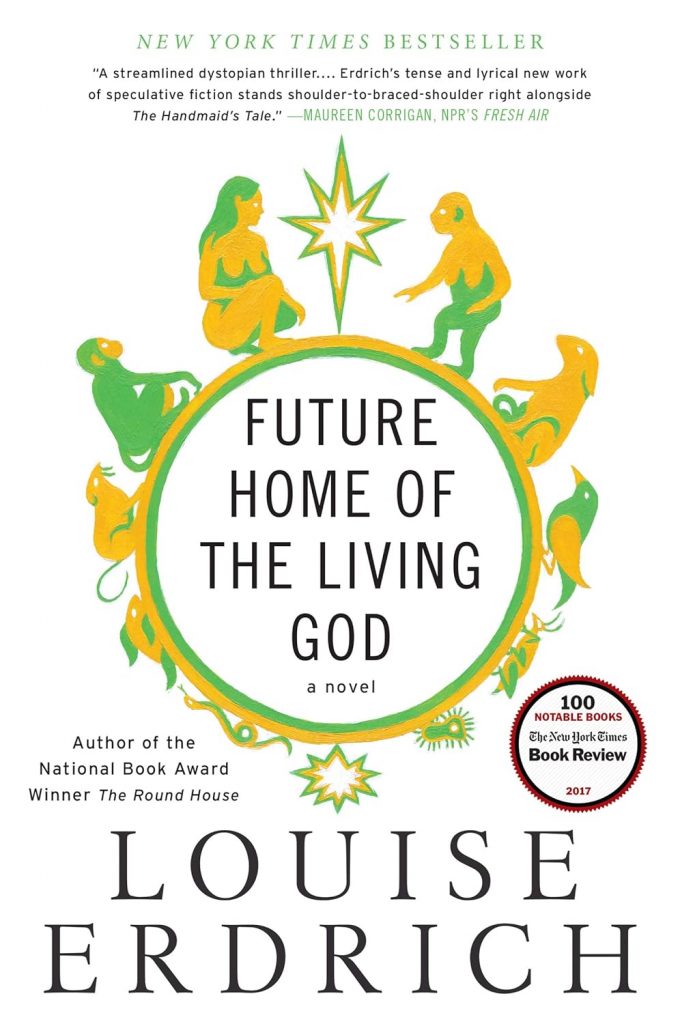
The world is regressing, with humans devolving. Cedar Hawk Songmaker, 26 and four months pregnant, is deeply affected by this reversal of evolution. As society descends into panic and repression—with rumors of martial law, a registry for pregnant women, and disappearances—Cedar seeks out her Ojibwe birth mother, Mary Potts, on the reservation to understand her and her baby’s origins. Amidst the chaos, Cedar must evade informants to protect her unborn child.
The Round House (2012) | Discussion Questions
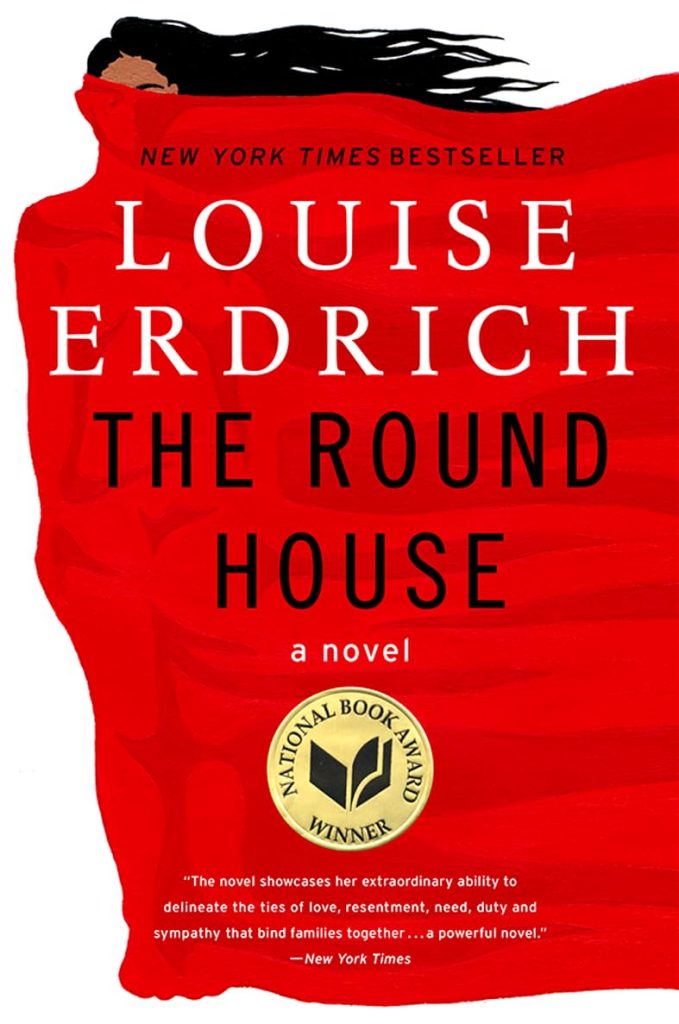
One Sunday in the spring of 1988, a woman living on a reservation in North Dakota is attacked. The details of the crime are slow to surface because Geraldine Coutts is traumatized and reluctant to relive or reveal what happened, either to the police or to her husband, Bazil, and thirteen-year-old son, Joe. In one day, Joe’s life is irrevocably transformed. He tries to heal his mother, but she will not leave her bed and slips into an abyss of solitude. Increasingly alone, Joe finds himself thrust prematurely into an adult world for which he is ill prepared.
While his father, a tribal judge, endeavors to wrest justice from a situation that defies his efforts, Joe becomes frustrated with the official investigation and sets out with his trusted friends, Cappy, Zack, and Angus, to get some answers of his own. Their quest takes them first to the Round House, a sacred space and place of worship for the Ojibwe. And this is only the beginning.
LaRose (2016) | Discussion Questions
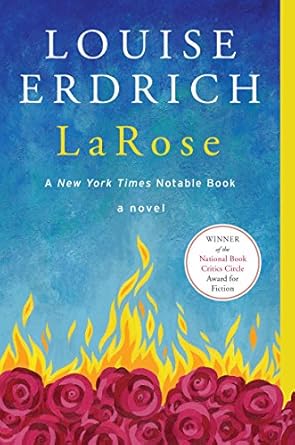
In the late summer of 1999 in North Dakota, Landreaux Iron accidentally shoots and kills his neighbor’s five-year-old son, Dusty Ravich, while hunting. Devastated, Landreaux, a recovering alcoholic, seeks guidance in an Ojibwe tradition. He and his wife, Emmaline, decide to give their own five-year-old son, LaRose, to Dusty’s grieving parents, Peter and Nola, as a form of ancient retribution.
LaRose is welcomed into his new family, helping Nola cope with her grief and providing a source of stability. Over time, he maintains connections with both his birth and adoptive families, becoming a crucial link in their healing process. However, their fragile peace is threatened when a man with an old grudge against Landreaux starts spreading accusations about Dusty’s death, stirring up trouble and jeopardizing the families’ hard-won recovery.
The Night Watchman (2020) | Discussion Questions
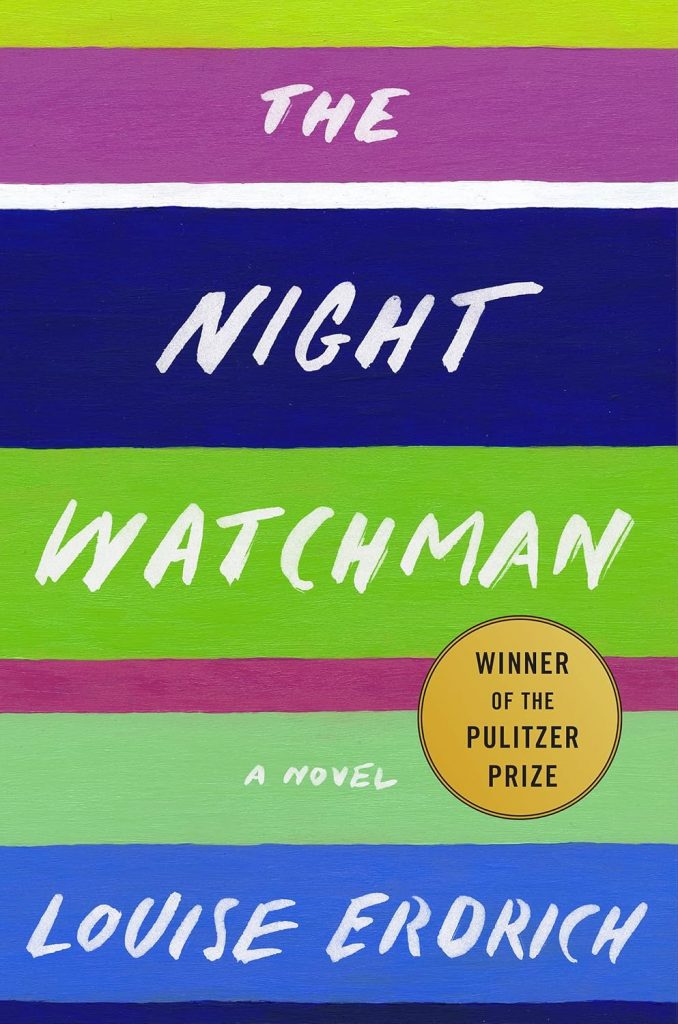
Thomas Wazhashk is the night watchman at the jewel bearing plant, the first factory located near the Turtle Mountain Reservation in rural North Dakota. He is also a Chippewa Council member who is trying to understand the consequences of a new “emancipation” bill on its way to the floor of the United States Congress. It is 1953 and he and the other council members know the bill isn’t about freedom; Congress is fed up with Indians. The bill is a “termination” that threatens the rights of Native Americans to their land and their very identity. How can the government abandon treaties made in good faith with Native Americans “for as long as the grasses shall grow, and the rivers run”?
Since graduating high school, Pixie Paranteau has insisted that everyone call her Patrice. Unlike most of the girls on the reservation, Patrice, the class valedictorian, has no desire to wear herself down with a husband and kids. She makes jewel bearings at the plant, a job that barely pays her enough to support her mother and brother. Patrice’s shameful alcoholic father returns home sporadically to terrorize his wife and children and bully her for money. But Patrice needs every penny to follow her beloved older sister, Vera, who moved to the big city of Minneapolis. Vera may have disappeared; she hasn’t been in touch in months, and is rumored to have had a baby. Determined to find Vera and her child, Patrice makes a fateful trip to Minnesota that introduces her to unexpected forms of exploitation and violence, and endangers her life.
Thomas and Patrice live in this impoverished reservation community along with young Chippewa boxer Wood Mountain and his mother Juggie Blue, her niece and Patrice’s best friend Valentine, and Stack Barnes, the white high school math teacher and boxing coach who is hopelessly in love with Patrice.
Tommy Orange (Cheyenne and Arapaho):
Representing a more contemporary voice in Native American literature, Tommy Orange’s There There (2018) was a finalist for the Pulitzer Prize and brought a crucial focus to the urban Native American experience. His novel follows a diverse cast of characters connected to the Big Oakland Powwow, exploring themes of identity, belonging, historical trauma, and the challenges and complexities of being Native in a modern urban environment. Orange challenges stereotypical portrayals of Native Americans, demonstrating that Indigenous identity is dynamic and ever-evolving. His work signals a continued evolution within Native American literature, addressing new facets of Indigenous life while still echoing the foundational concerns of the Renaissance.
There There (2018) | Discussion Questions
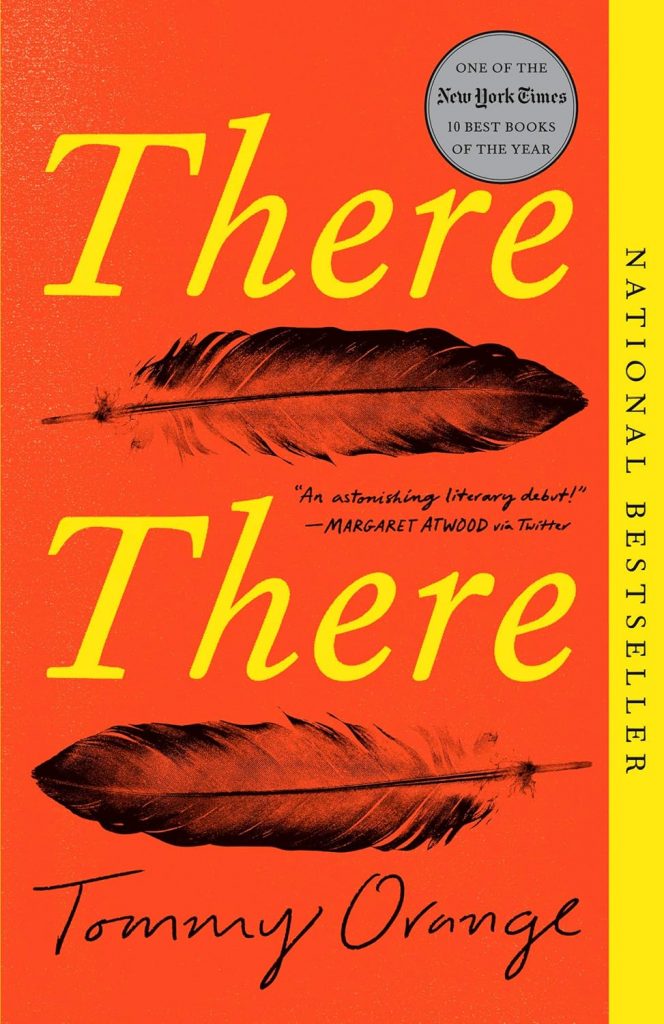
A wondrous and shattering novel that follows twelve characters from Native communities: all traveling to the Big Oakland Powwow, all connected to one another in ways they may not yet realize. Among them is Jacquie Red Feather, newly sober and trying to make it back to the family she left behind. Dene Oxendene, pulling his life together after his uncle’s death and working at the powwow to honor his memory. Fourteen-year-old Orvil, coming to perform traditional dance for the very first time. They converge and collide on one fateful day at the Big Oakland Powwow and together this chorus of voices tells of the plight of the urban Native American—grappling with a complex and painful history, with an inheritance of beauty and spirituality, with communion and sacrifice and heroism
Wandering Stars (2024) | Discussion Questions
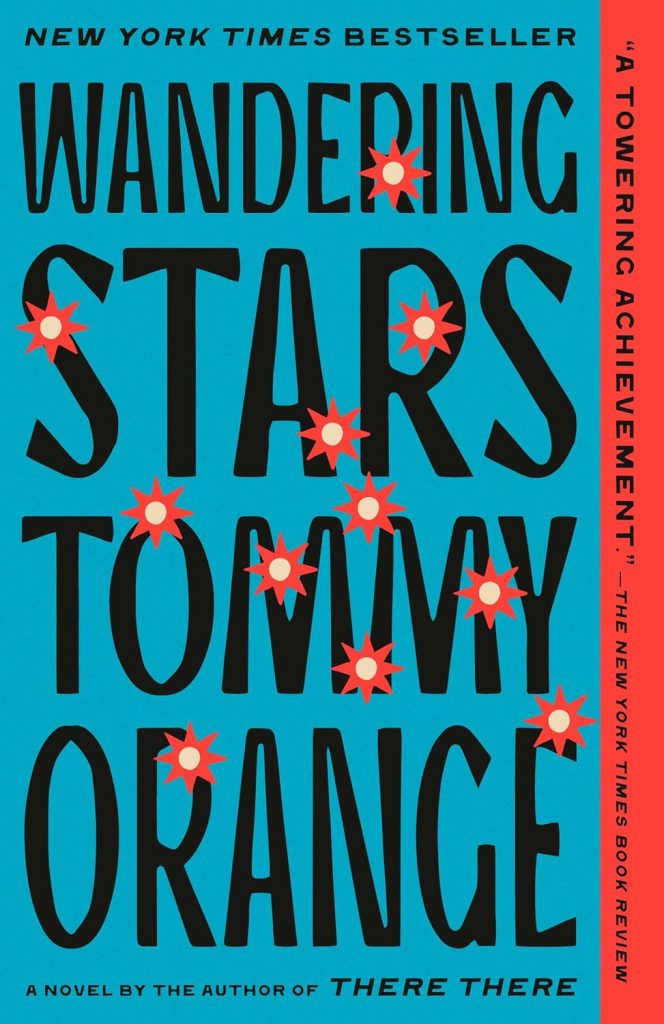
Colorado, 1864. Star, a young survivor of the Sand Creek Massacre, is brought to the Fort Marion prison castle, where he is forced to learn English and practice Christianity by Richard Henry Pratt, an evangelical prison guard who will go on to found the Carlisle Indian Industrial School, an institution dedicated to the eradication of Native history, culture, and identity. A generation later, Star’s son, Charles, is sent to the school, where he is brutalized by the man who was once his father’s jailer. Under Pratt’s harsh treatment, Charles clings to moments he shares with a young fellow student, Opal Viola, as the two envision a future away from the institutional violence that follows their bloodlines.
The works of Momaday, Silko, Welch, Harjo, Erdrich, and more recently, Orange, demonstrate the enduring strength and adaptability of Native American storytelling, continually enriching the broader literary landscape with diverse and vital perspectives. For a complete list of titles written by Native American authors within our collection – look at the curated list in our online catalog.
*Descriptions taken from Amazon.com, Thrift Books, and Gemini AI.
About the Book Club Resource
Book club sets are circulated to participating libraries via the CLiC courier. Read all about the program on the Book Club Resource landing page. If you are interested in receiving book club sets but are not already a member library, use the online form to get signed up.
Since the BCR has always relied on book donations, we are deeply grateful to all the libraries, authors, and organizations that have donated sets and helped make the collection stronger. Please contact [email protected] for questions or to discuss donations.
Resources:
- Wikipedia
- Franklin Pierce University
- Fiveable
- The Paris Review
- Open Education Database
- Louise Erdrich – Wikipedia
- Joy Harjo – Wikipedia
- N. Scott Momaday – Wikipedia
- Tommy Orange – Wikipedia
- Leslie Marmon Silko – Wikipedia
- James Welch – Wikipedia
.png)
- Book Club Author Suggestion: Maggie O’Farrell - June 3, 2026
- Book Club Author Suggestion: David Grann - May 5, 2026
- From Prompts to Partners – The Art of the AI Workflow - April 16, 2026